The last few months have been very busy for Science and Horticulture staff as they’ve been venturing to all different corners of Wales to make this year’s seed collections.
Not only is this exciting as we continue to expand our National Seed Bank of Wales, but it means our Herbarium expands too!
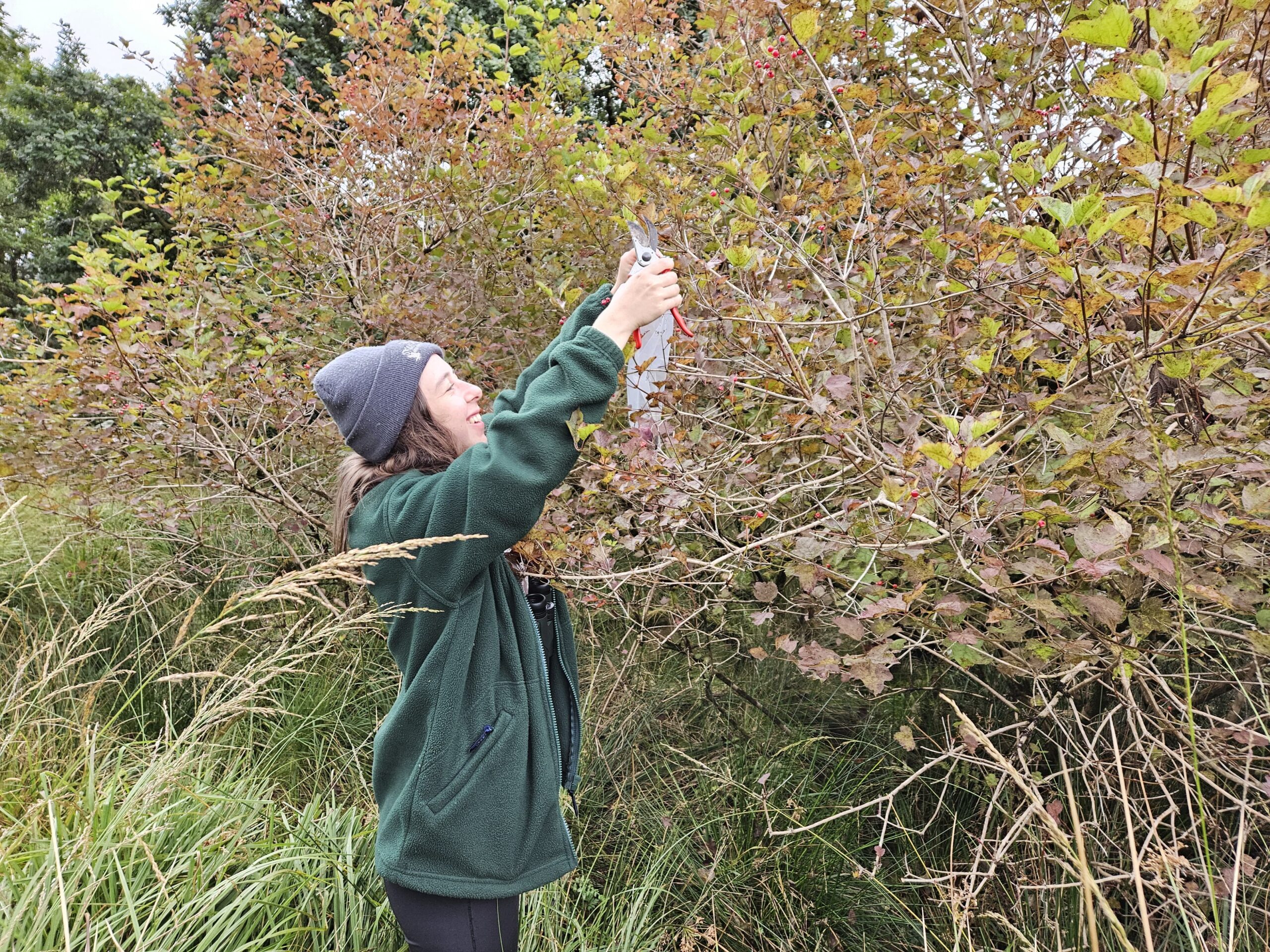
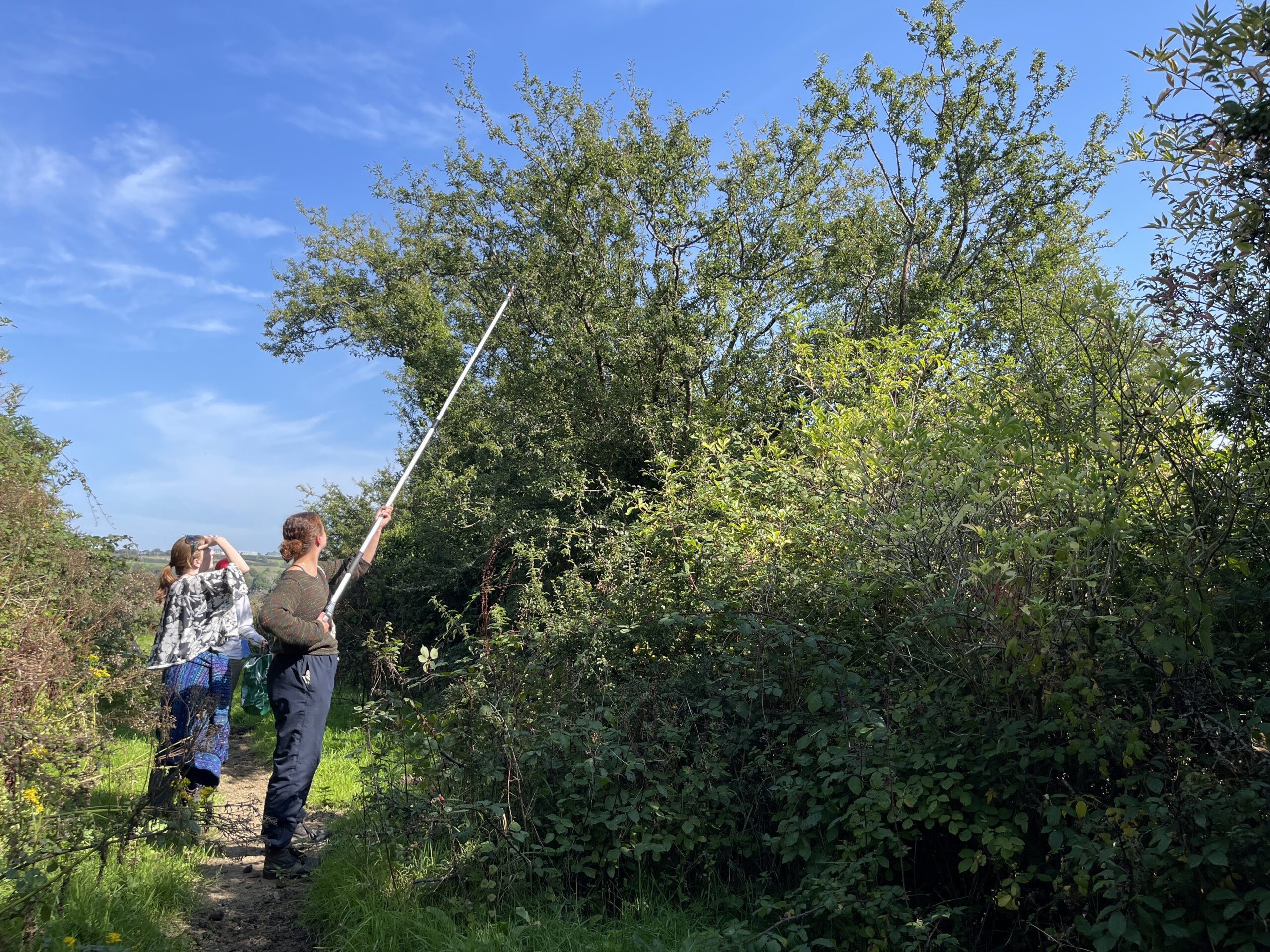
When seed collections are made, one requirement is to get a ‘voucher specimen’. This simply means cutting off a section of the plant that allows you to see all the identifying features clearly, such as leaf shape, flower colour, seed, etc. This then gets put into a press to be taken back to base and turned into a herbarium specimen. This is an important step as not only is it a permanent record of the plant, but it’s also a really useful way of making sure you have the right species, and can even be sampled for DNA extraction!
The presses we use here in the garden are called ‘field presses’. They are simple but specially designed to hold multiple plant collections and to prevent moisture build-up. They are made out of wood to allow an even pressure across the press and to provide strength.
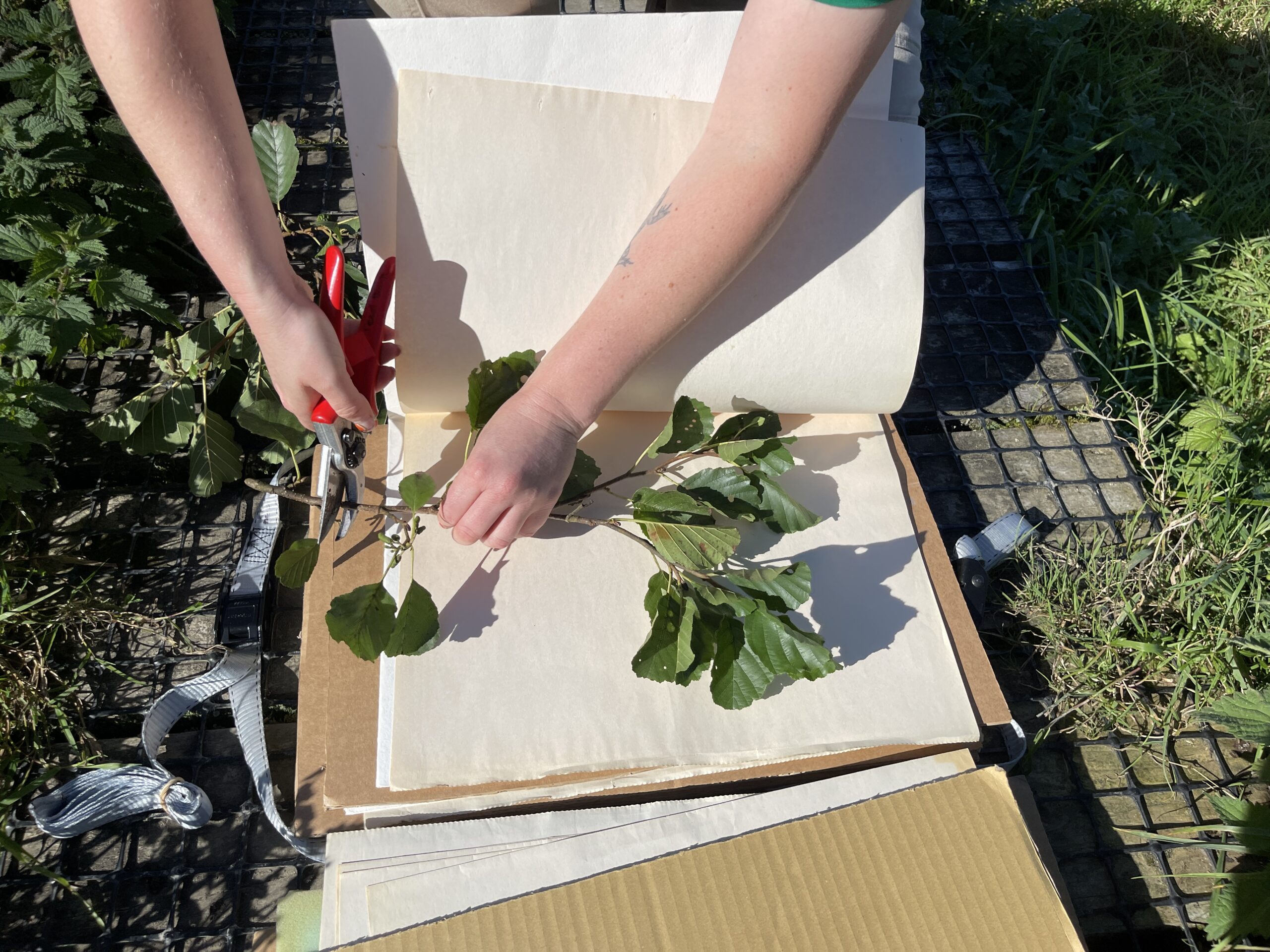
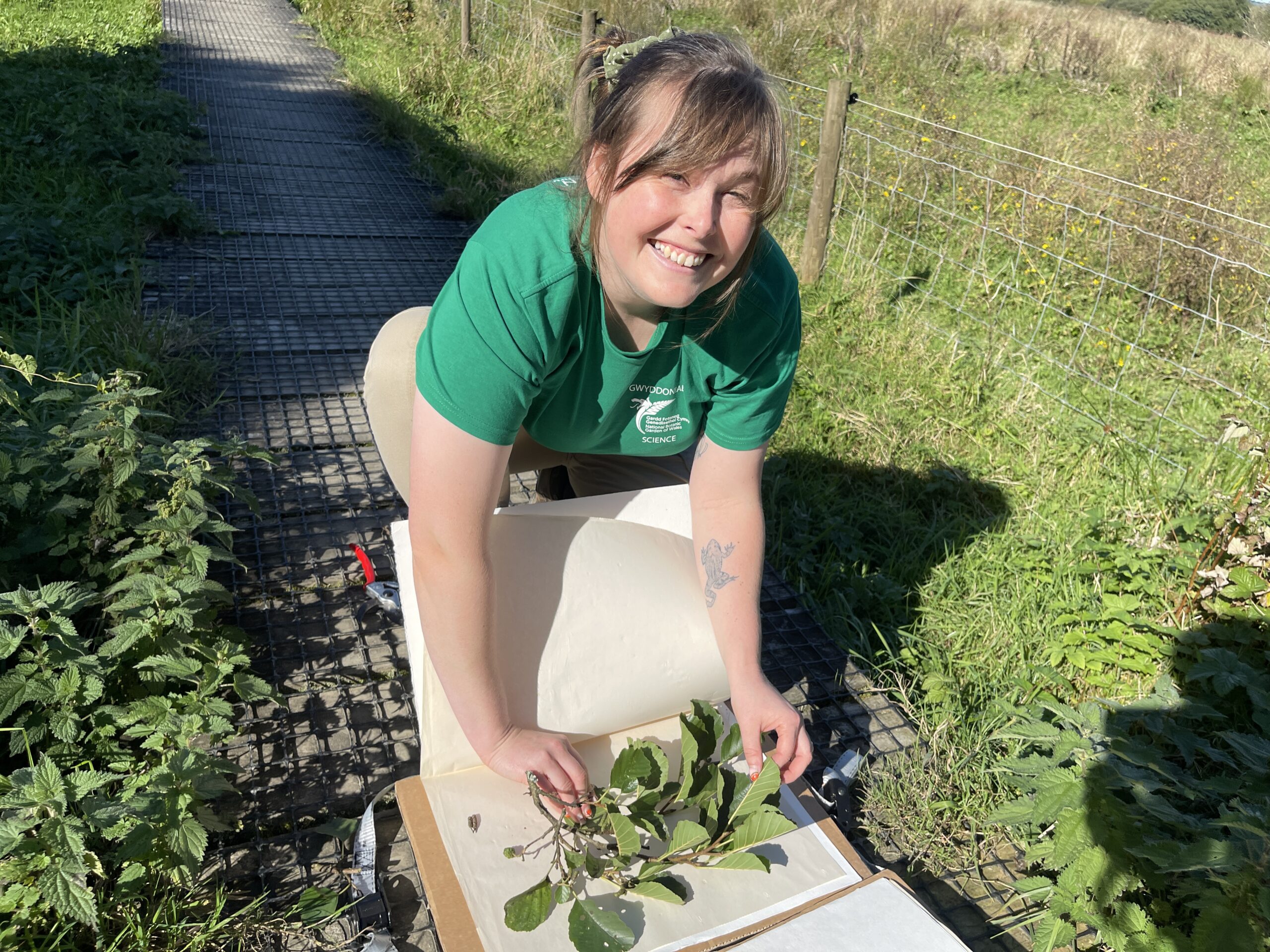
Once the plants have been collected, the steps below are followed:
Place the plants into folded pieces of paper, held between absorbent blotting paper.
These are then placed between sheets of corrugated cardboard to keep the specimens nice and flat.
Repeat the process until the press is full. We sometimes also include foam sheets to assist airflow and help to flatten more bulky specimens.
Two ratchet straps are used to keep the press nice and tight. It should look like a very nice press sandwich.
When back at base the presses need to be kept in a dry room to allow the plants to dry nicely within the press. The blotting paper can be changed every couple of days to help this.
We put our presses in the incubators in the seed bank on the drying setting (18⁰C). It can take anywhere from a week to two weeks for the specimens to be fully dry, sometimes longer depending on the plant.
Once the presses are ready to come out of the incubators, we check that everything has dried nicely. Keeping the plants within the folded pieces of paper, we place them in a box in a sealed plastic bag, which is then placed into the freezer at -28⁰C – a very important step to ensure the specimens are free from plant-eating insects before the specimens are taken into our Herbarium.
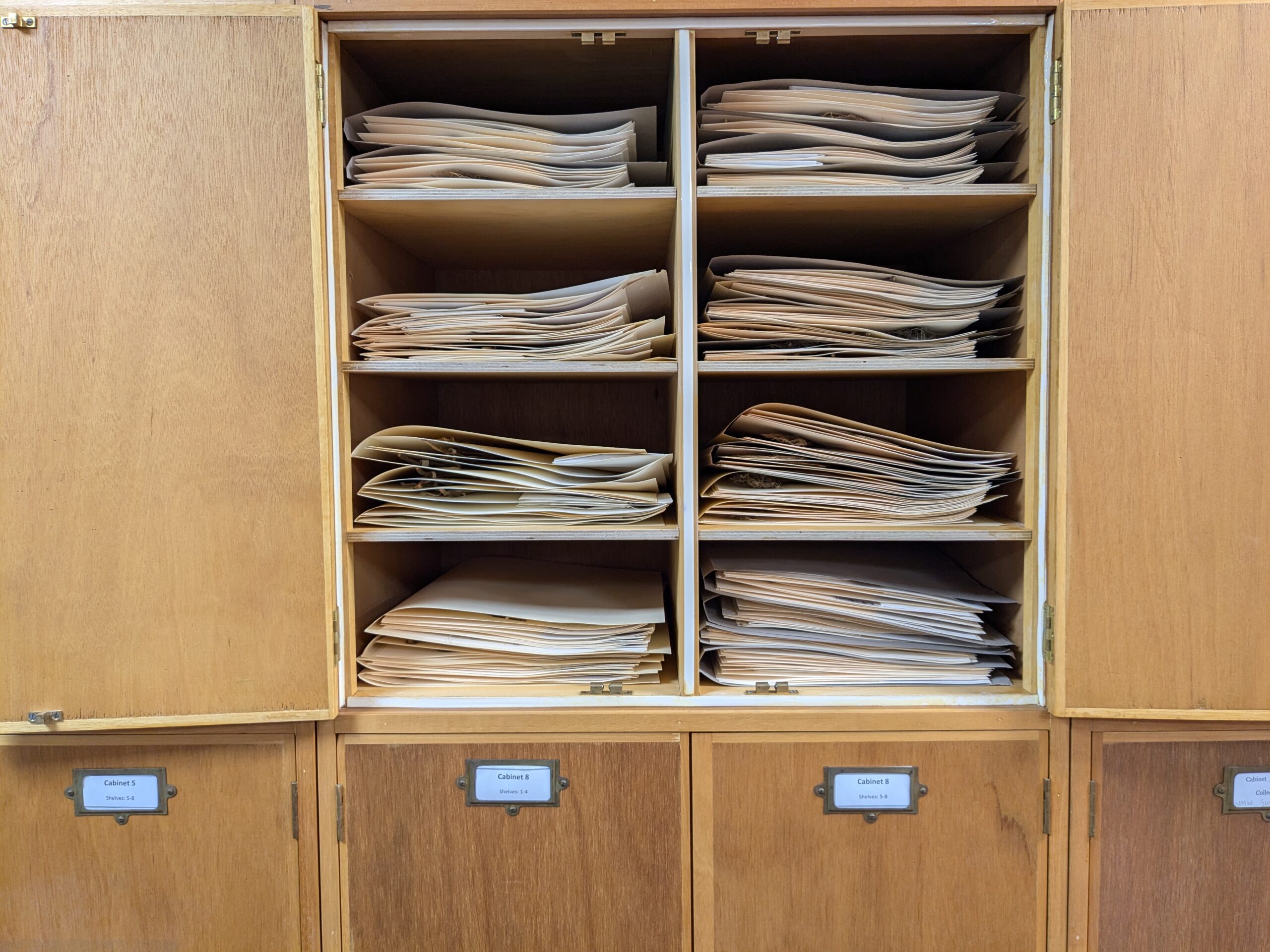
The specimens are then carefully attached onto archival sheets, with a label, and safely stored in cabinets.
The Plants Past, Present and Future project is digitising our herbarium and is funded by the National Lottery Heritage Fund Dynamic Collections initiative, made possible thanks to National Lottery players.
