It’s Wales Nature Week! To celebrate, we’re sharing some insights on biological recording — what it is, why it matters, and how you can take part. Here’s everything you need to know in the run-up to our BioBlitz Festival on the 19th and 20th of July, where we will be racing to record as many species as possible at the Botanic Garden in just 48 hours!
Have you ever wondered…
- How many species live in an area?
- Where is a species found?
- Is a species declining or spreading?
- How is climate change affecting our wildlife?
We wouldn’t be able to answer any of these questions without biological records!
Biological recording means collecting data about the presence, abundance and distribution of living organisms. People have been recording their observations of wildlife for hundreds of years, and these records are vital for understanding biodiversity and tracking changes in our environment.
Anyone can be a biological recorder — scientists, amateur naturalists, or anyone curious about nature. You don’t have to be an expert! Biological recording can be done anywhere – your garden, local park, or even a road verge are great places to get started.
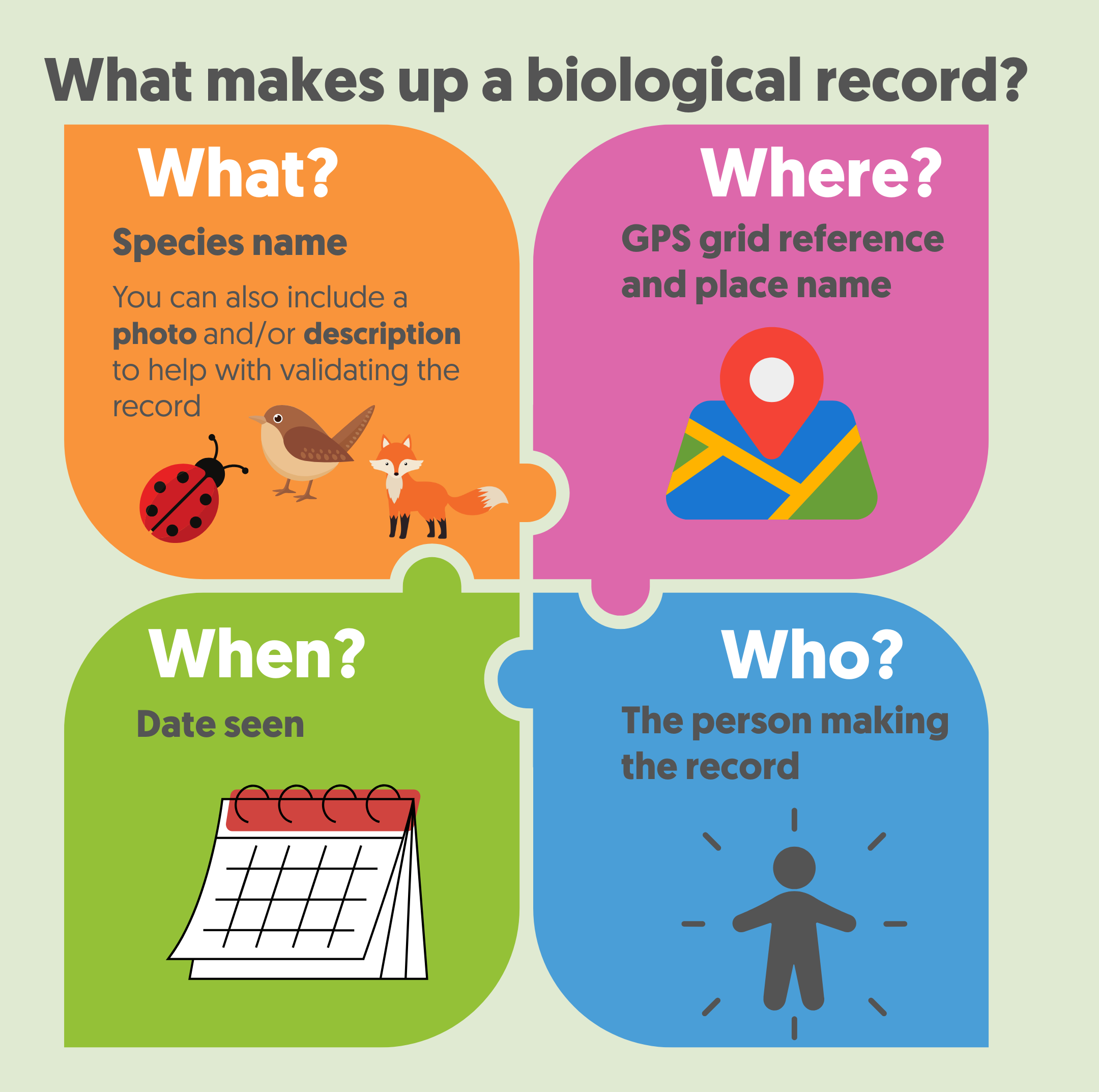
How to make a biological record
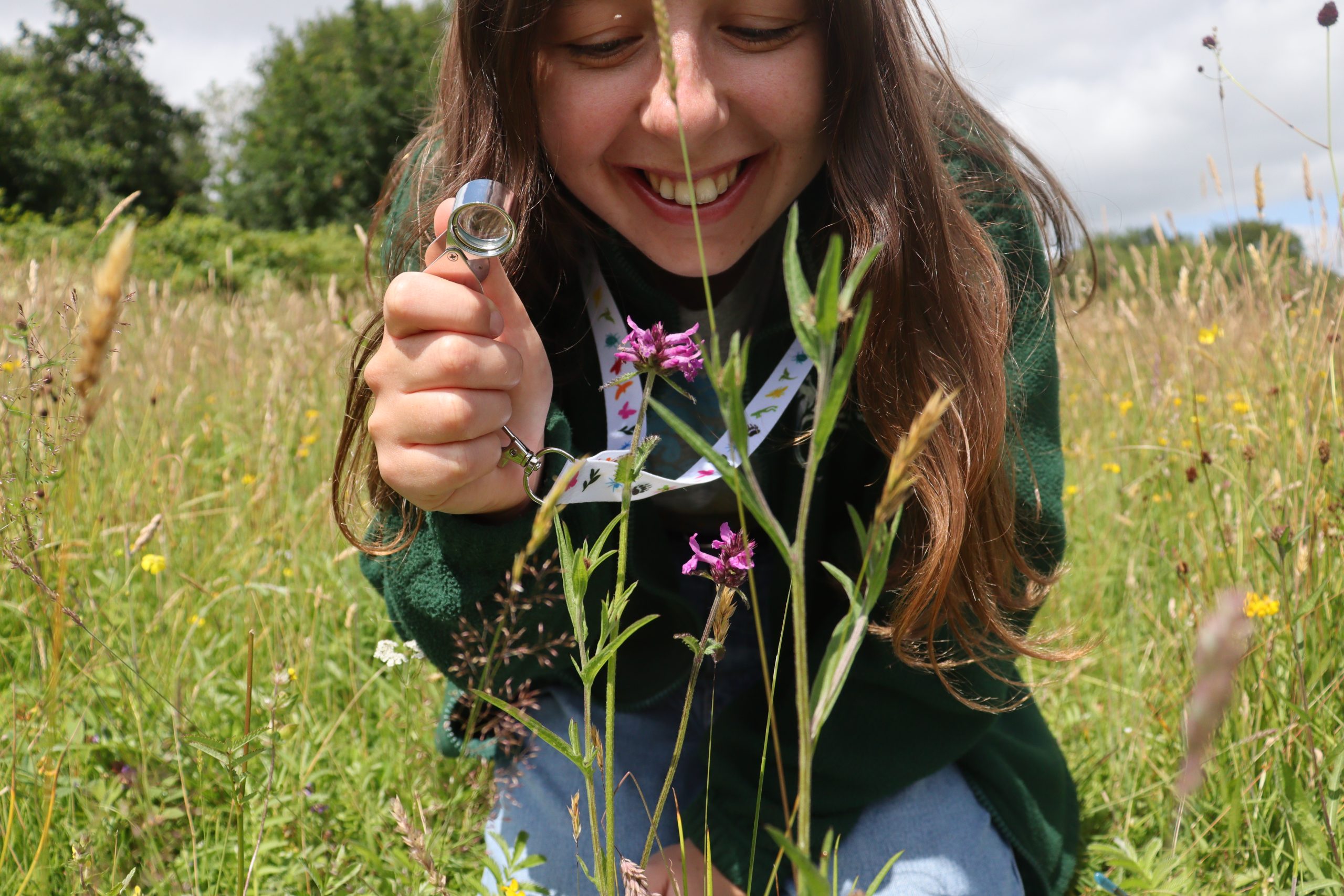
Step 1: Spot something!
It could be a plant, animal, insect, fungus — anything living.
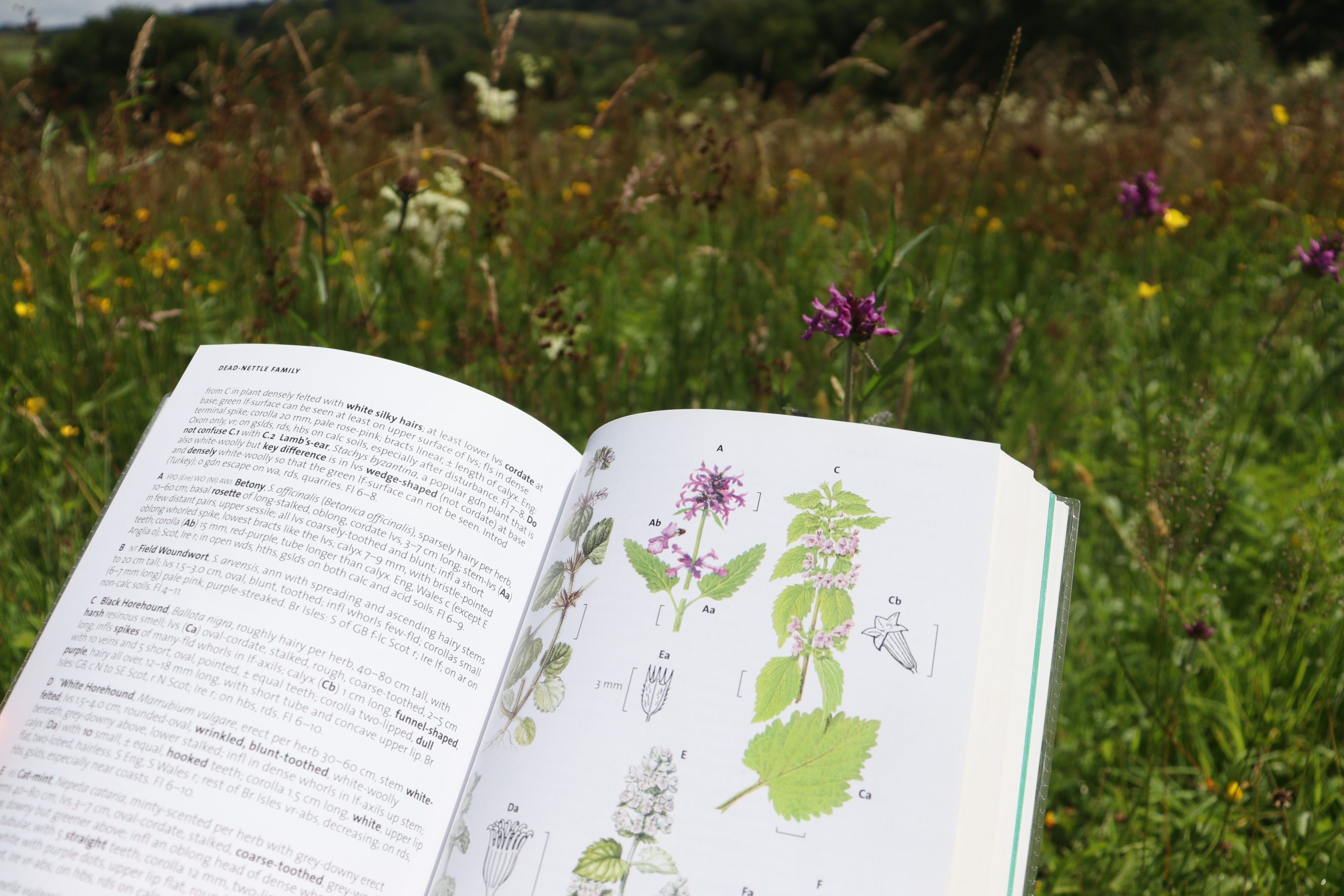
Step 2: Identify it
Use field guides, apps, websites, or ask an expert. If you’re unsure, snap a photo so you can identify it later.
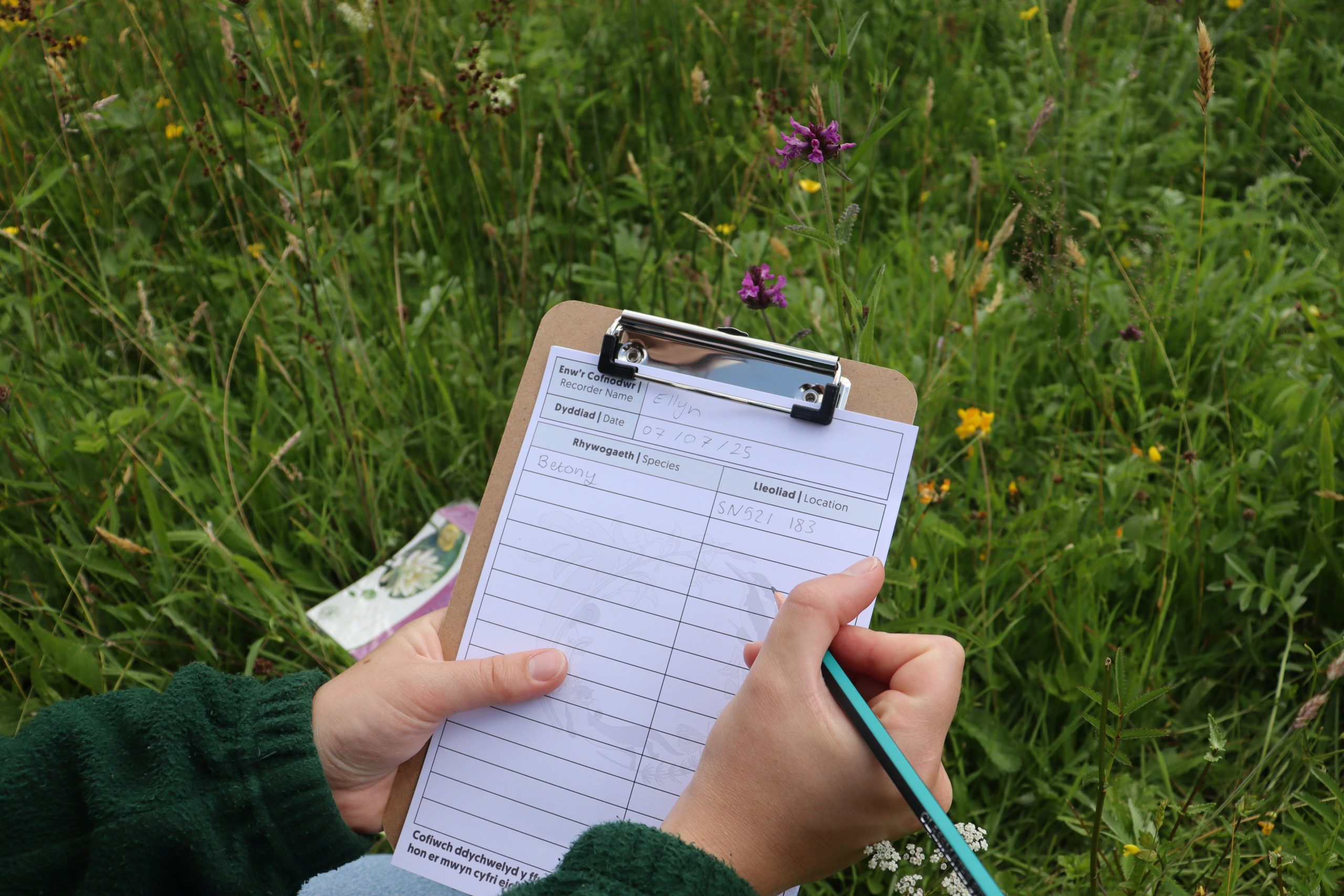
Step 3: Note the details
Where? (location and grid reference – you can download an app which will tell you this)
When? (date observed)
Who? (your name)
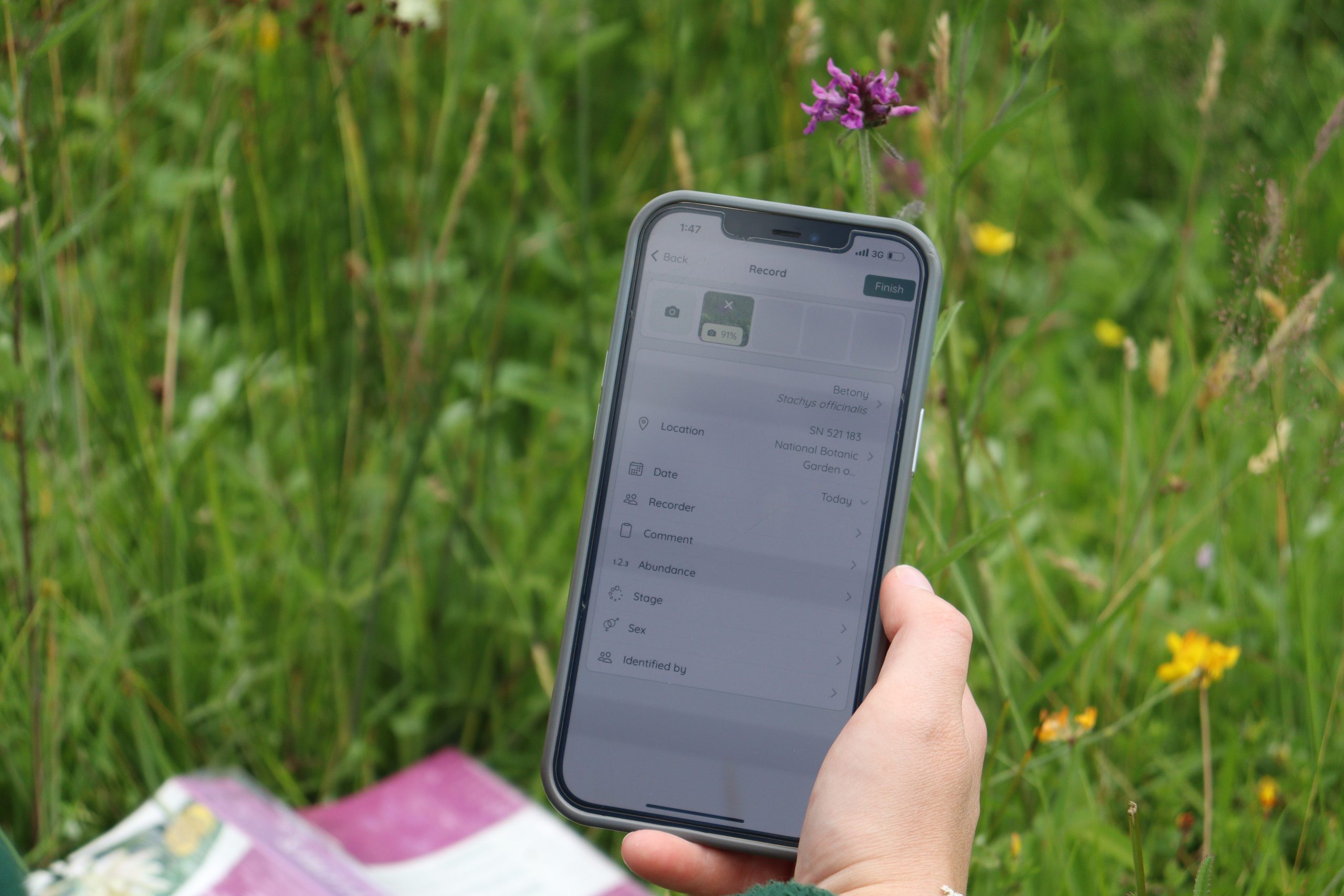
Step 4: Submit your record
The easiest way is through the LERC Wales app. Download the app, set up an account, and upload your observations – simple!
For a more in-depth guide on how to use the app, head to the WWBIC website.
Step 5: Put your skills to the test!
Come along to our BioBlitz Festival, where you can practice your new recording skills. A BioBlitz is a fun, fast-paced survey to find, identify and record as many species as possible in a short period of time. So, we need your help!
There’ll also be a fantastic programme of hands-on workshops, guided walks, expert talks, and wildlife activities for all ages. Find out more by heading to the BioBlitz Festival page.
The National Botanic Garden of Wales is supported by Welsh Government’s Nature Networks Fund, funding work to deliver infrastructure improvements on Waun Las NNR, allowing us to manage the site for improved biodiversity and engage with visitors on our natural heritage.
