On a sunny weekend in July this year, we held our first-ever BioBlitz Festival at the Botanic Garden – an exciting 48-hour event aimed at recording as many species as possible. We welcomed experts, volunteers and visitors to the Garden, and brought together over 25 conservation organisations from across Wales. It was a weekend to remember, filled with recording and was a big celebration of Welsh wildlife and conservation!
The BioBlitz was a race against time to find and record as many species as possible over the 48 hours to create a snapshot of the biodiversity here at the Botanic Garden. Records were submitted through the LERC Wales app, with our local records centre, the West Wales Biodiversity Information Centre (WWBIC), on hand to collate records and assist with queries.
Find out more about biological recording, and how you can submit records here.
Snapshot of Records
A whole host of expert and amateur recorders helped us by identifying and recording wildlife across a range of taxonomic groups – from plants and animals, all the way down to microscopic fungi. A grand total of 999 biological records were submitted, representing over 486 different taxa. That’s over 12% of all previously recorded biodiversity on-site spotted in just 48 hours!

New Records
We had 77 records of taxa that were new to the site – species that have never been recorded at the Garden before.
Amongst these were 17 new fungus records and 39 new insect records for the site. These numbers will likely increase as experts continue to identify and record specimens that they took away with them. So, there could be some exciting new species that are still to be identified!
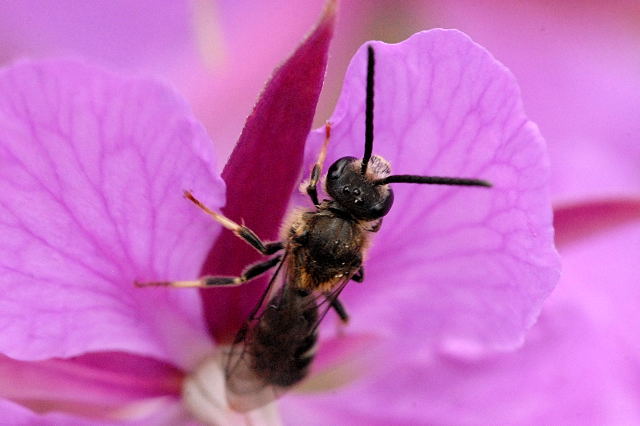
Most notably, the festival produced a new county record: Sharp-collared Furrow Bee (Lasioglossum malachurum), a species of bee never before recorded in Carmarthenshire and only rarely seen in Wales.
Another interesting find was a tiny spider in the Tropical House, less than a few millimetres in size, belonging to the genus Quamtana. This is the first time this spider has been found in the UK, probably originating from Africa – this highlights the importance of biological recording in finding and tracking non-native species.
There was a surprise amongst the new plant species recorded during the BioBlitz – Red Valerian (Centranthus ruber). This is a common species across the site, so it was a surprise for this to be one of our newly recorded species. This goes to show the importance of recording even very common species, as according to records this species would seem very rare, which we know is not the case.
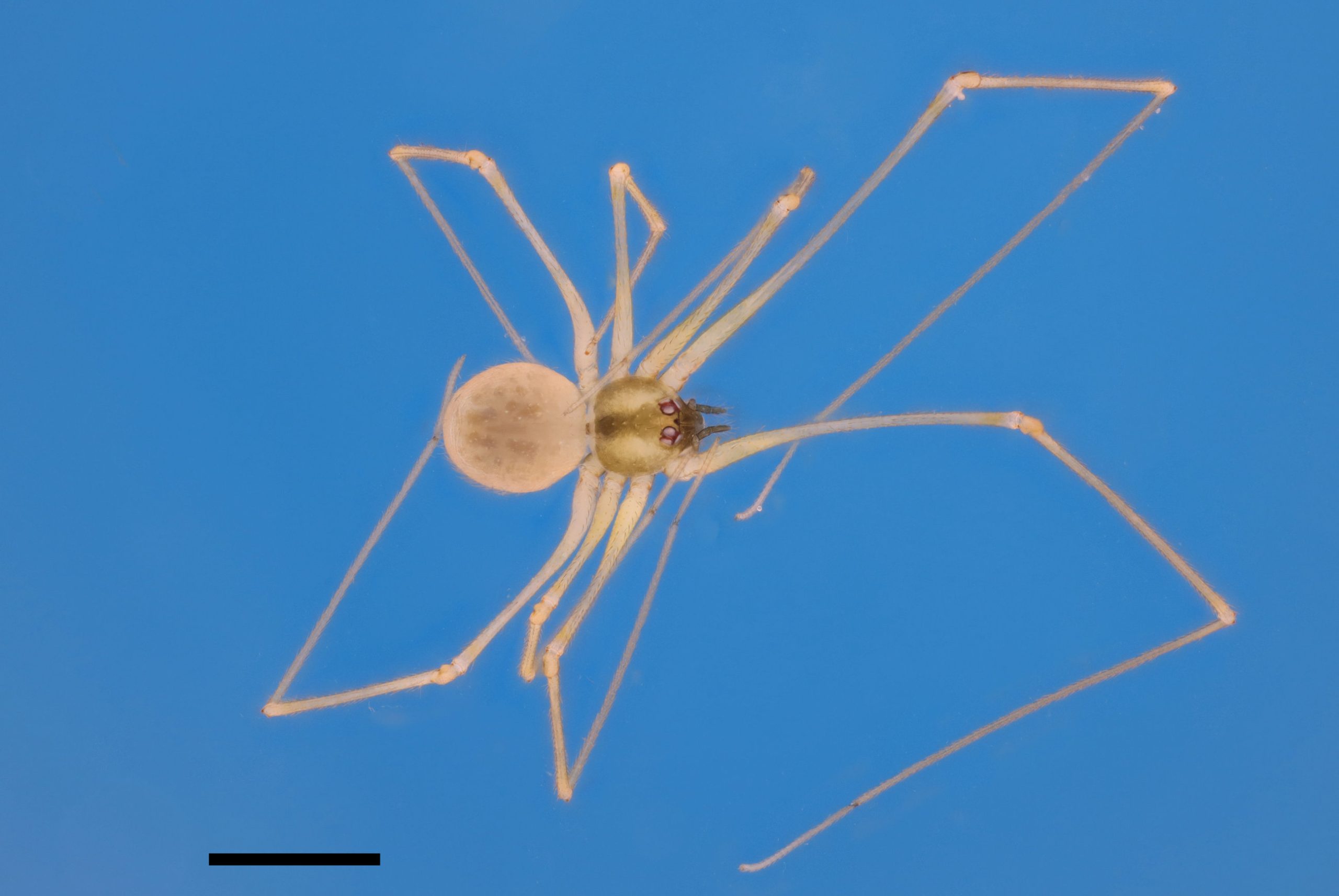
©Richard Gallon
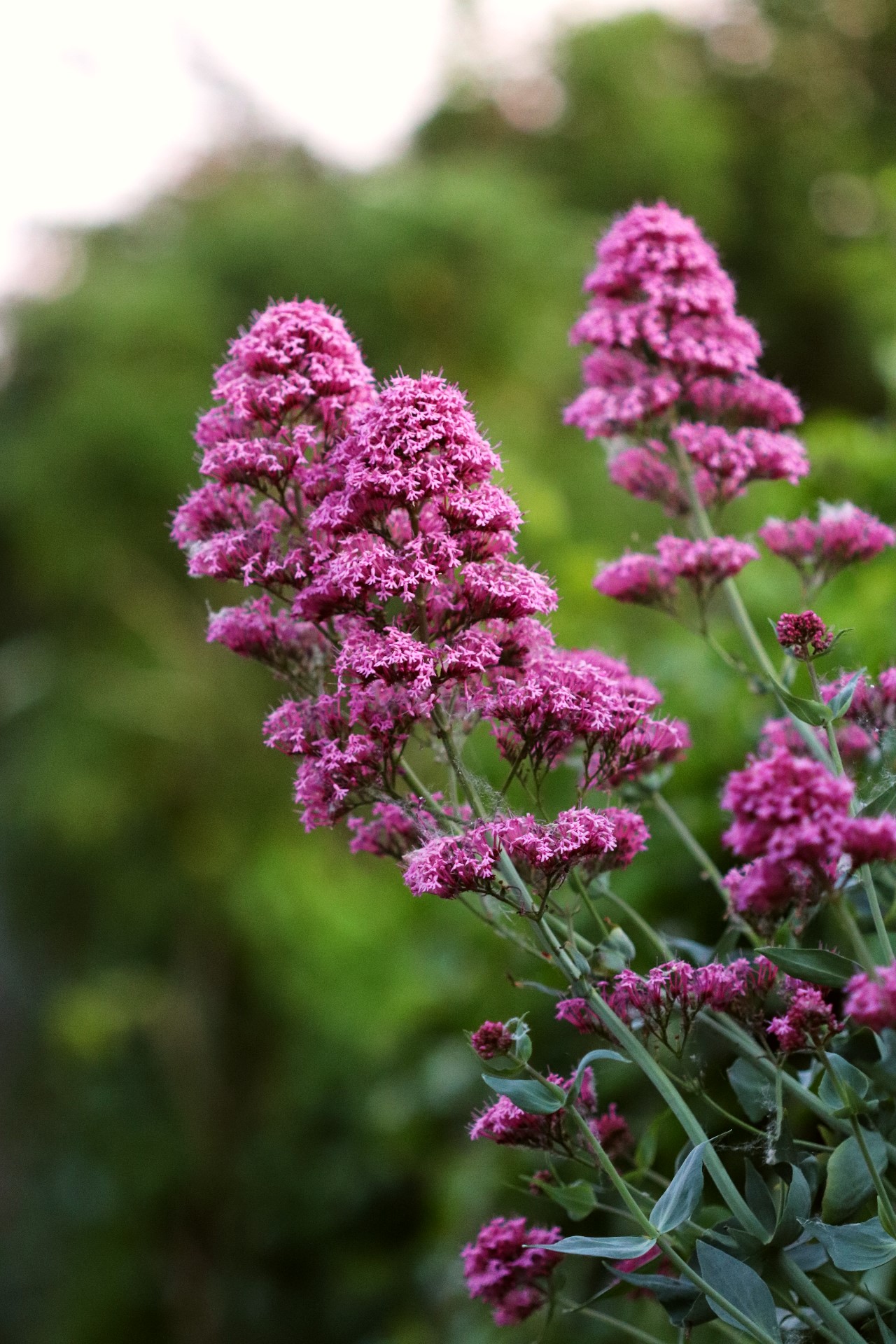
(Centranthus ruber)
BioBlitz Highlights
We kicked off the event on the Friday evening by setting up moth traps to begin the recording race, excited to see what species we would find in the morning. A total of 82 moth records were submitted over the course of the weekend, including five new species for the site: Poplar Kitten (Furcula bifida), Dwarf Cream Wave (Idaea fuscovenosa), Square-spotted Clay (Xestia stigmatica), Triangle Plume (Platyptilia gonodactyla) and a species of Coleophora.
Another weekend highlight was the bat roost count, where over 300 Soprano Pipistrelle bats were counted coming out of the Stableblock roost at dusk. It was incredible to listen to their echolocating calls using bat detectors. We even saw a young bat crawl out of the hole in the roof, and take flight for the first time! This number of bats indicates that we have a healthy population at the Garden, reflecting the high diversity and number of insects that thrive here.
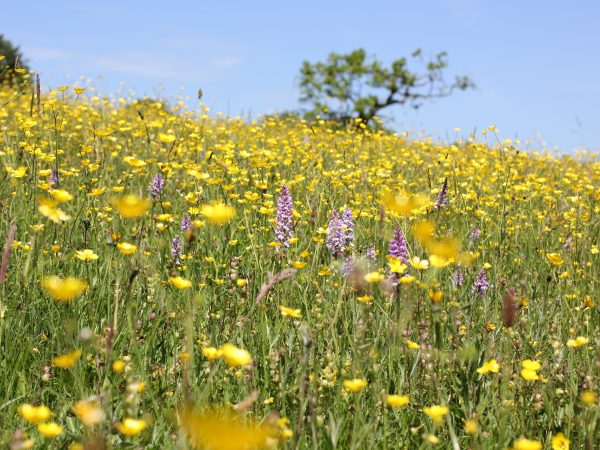
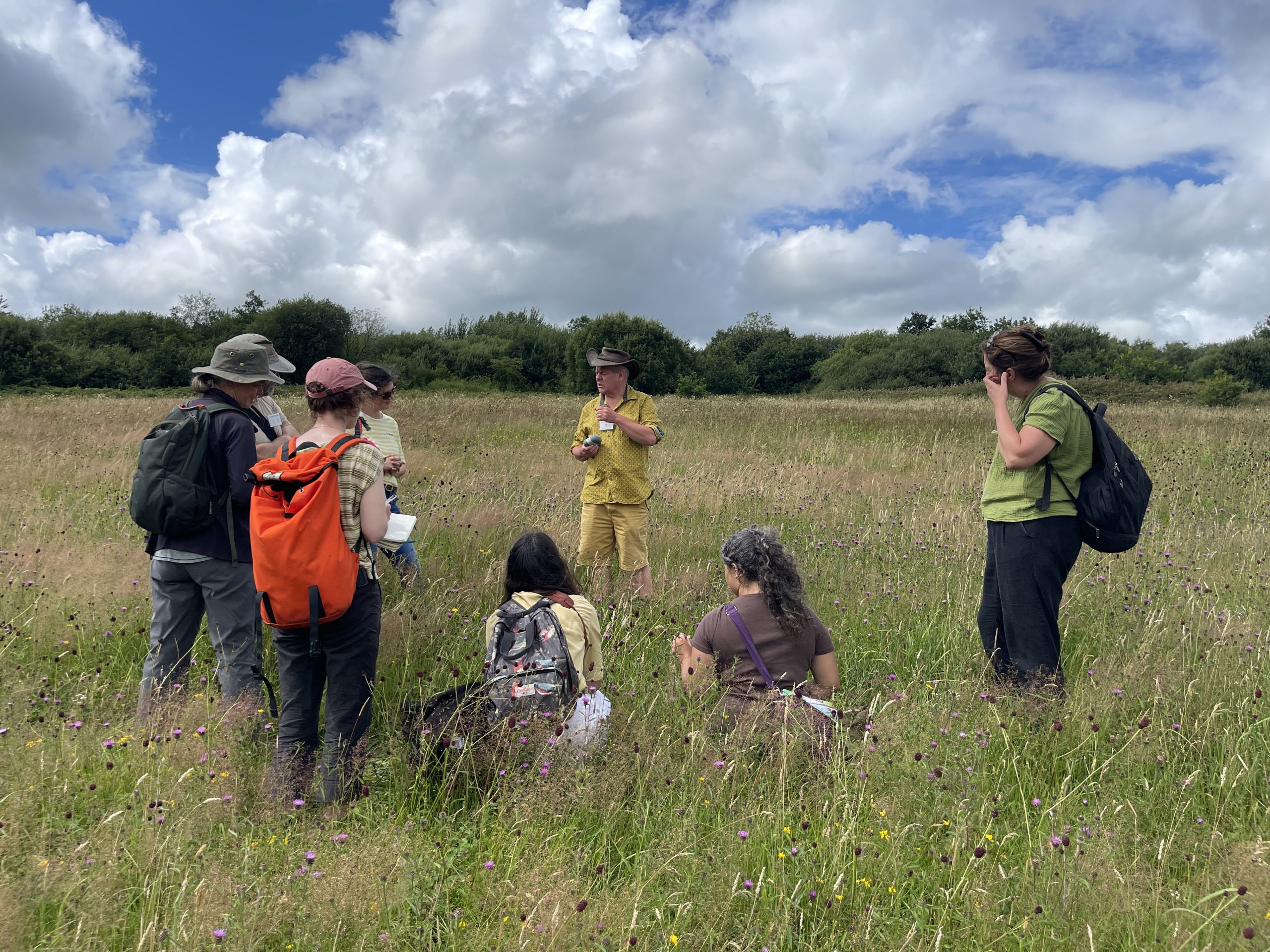
The biggest success of the weekend was engaging members of the public with biological recording and conservation. It was great for visitors and professionals alike to interact and share recording stories. Records were submitted by 37 different individuals, both professionals and people completely new to recording, working together to find and identify species across the Botanic Garden landscape, and venturing further afield into Waun Las National Nature Reserve.

Conservation Corner
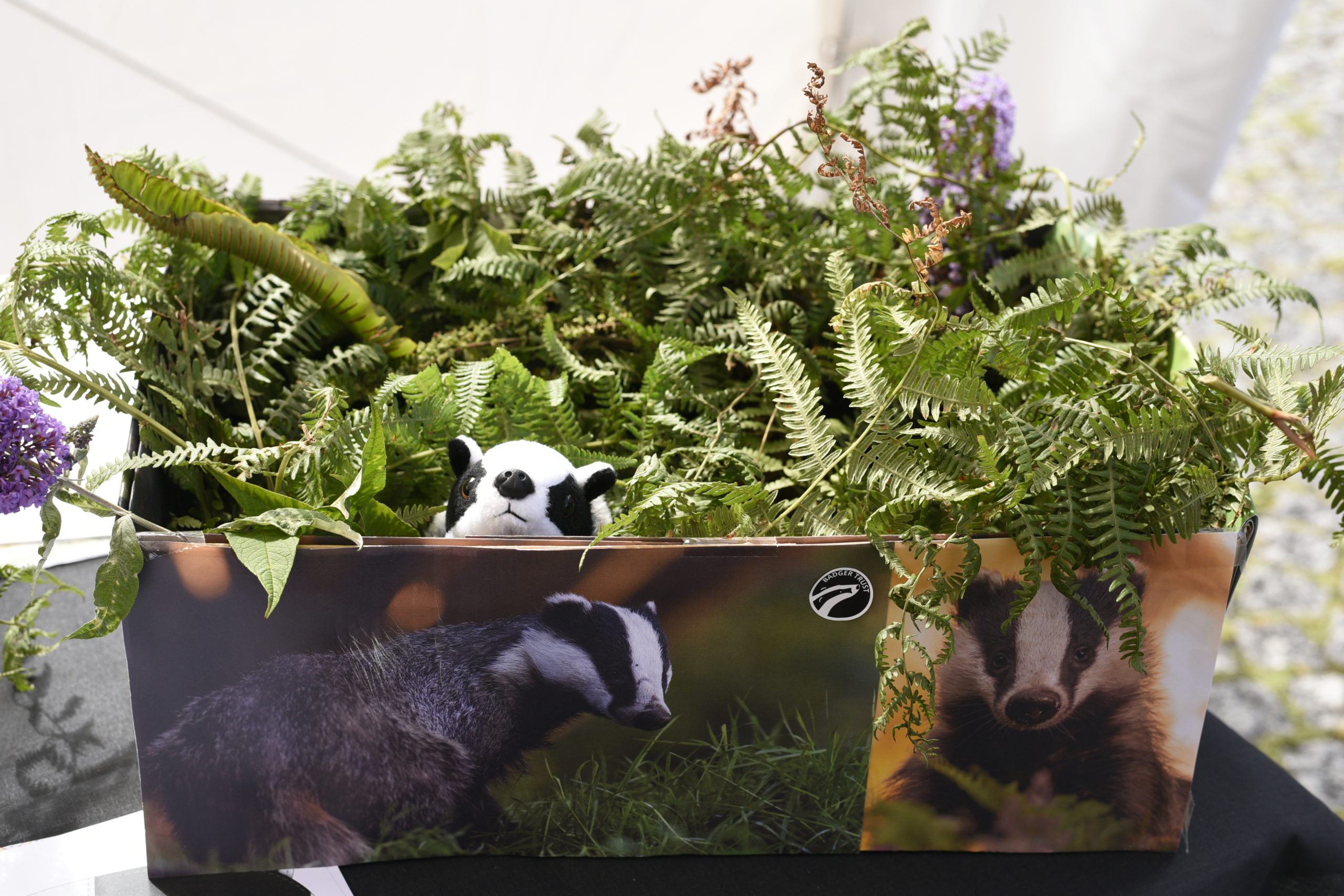
We were joined by 25 conservation organisations from across Wales, and further afield, who came along to share their conservation work and stories. The Conservation Corner tent was abuzz with passionate wildlife professionals and volunteers showcasing their work with fun activities to engage visitors. Theses included analysing dolphin diets using DNA, taking a closer look at lichens under the microscope, and learning about how we can best look after all sorts of wildlife, from water voles, hedgehogs and badgers to plants and fungi and everything in between.
There was a great array of guided walks, educational talks and hands-on workshops run by staff and visiting experts and organisations. Participants delved into identifying spiders and fungi on a microscopic level, improving their ability to record trickier species. For those with more of an artistic flare, there were plant dyeing workshops on offer, using hammering and bundle-dyeing techniques, which were great fun.
A huge thank you to everyone involved in planning, running, and supporting this fantastic event – it was a real team effort and a meaningful contribution to biodiversity monitoring. We hope to see you all again next year for BioBlitz Festival 2026!
Further information
For more information about the BioBlitz, biological recording and how to submit records, use the following links:
The National Botanic Garden of Wales is supported by Welsh Government’s Nature Networks Fund, funding work to deliver infrastructure improvements on Waun Las NNR, allowing us to manage the site for improved biodiversity and engage with visitors on our natural heritage.