Since July 2023, we have been working on an exciting three-year National Lottery Heritage Fund project to digitise our historic British and Irish flora collection. With the increasing fragility of herbarium specimens, which are susceptible to damp and pests, it is more important than ever to get these important collections digitised, and with evolving technology, we can do just that!
Every herbarium specimen has a label with all the information needed to understand the collection. This includes:
- The plant species name
- Where it was collected
- When it was collected
- Who collected it

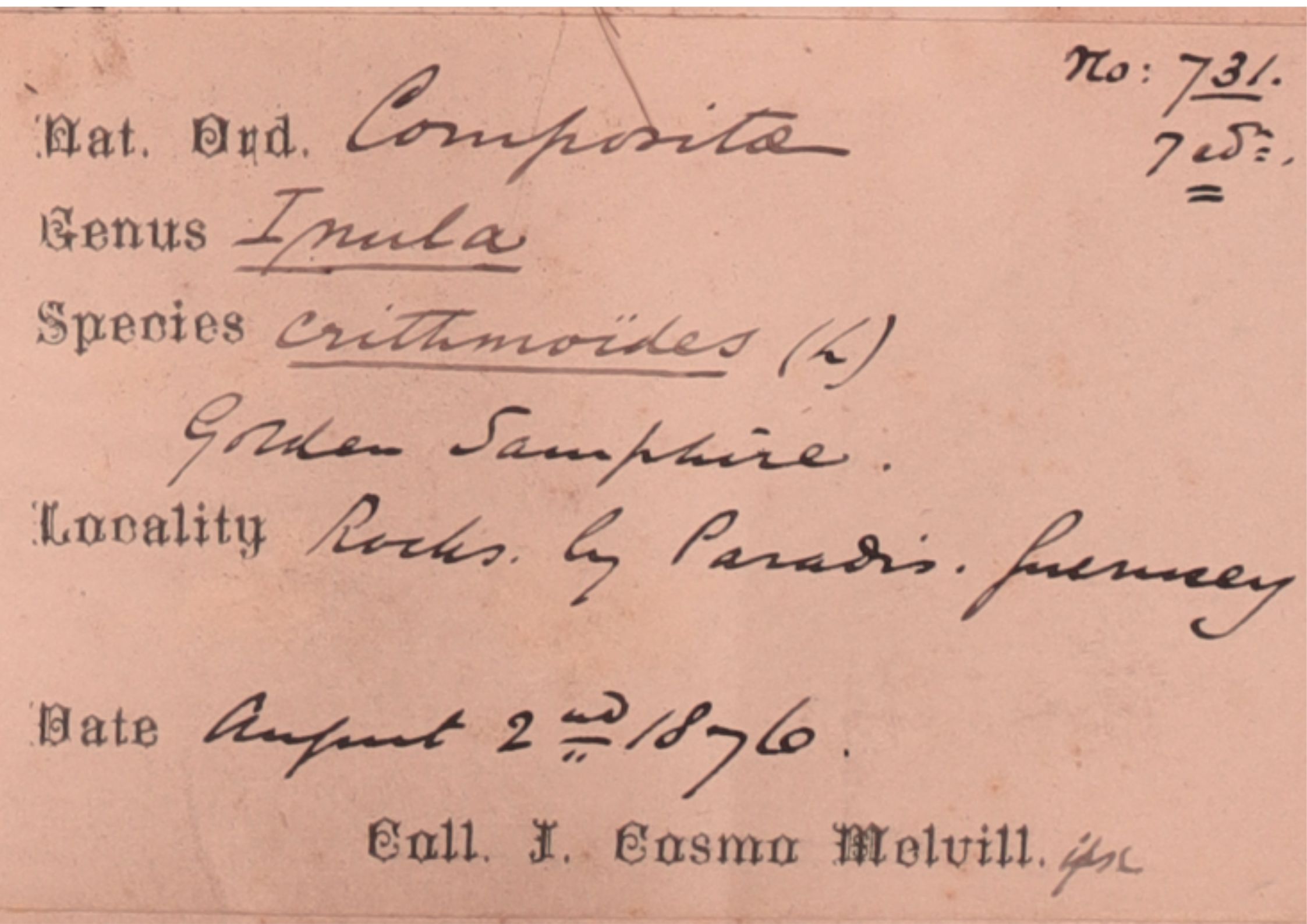
As part of the digitisation process, we are capturing this information through the process of transcribing (it’s not as daunting as it sounds). We have wonderful in-house volunteers who have been helping us get through the transcribing load for the past year and a half, but with 20,000 specimens to work through, we need help!
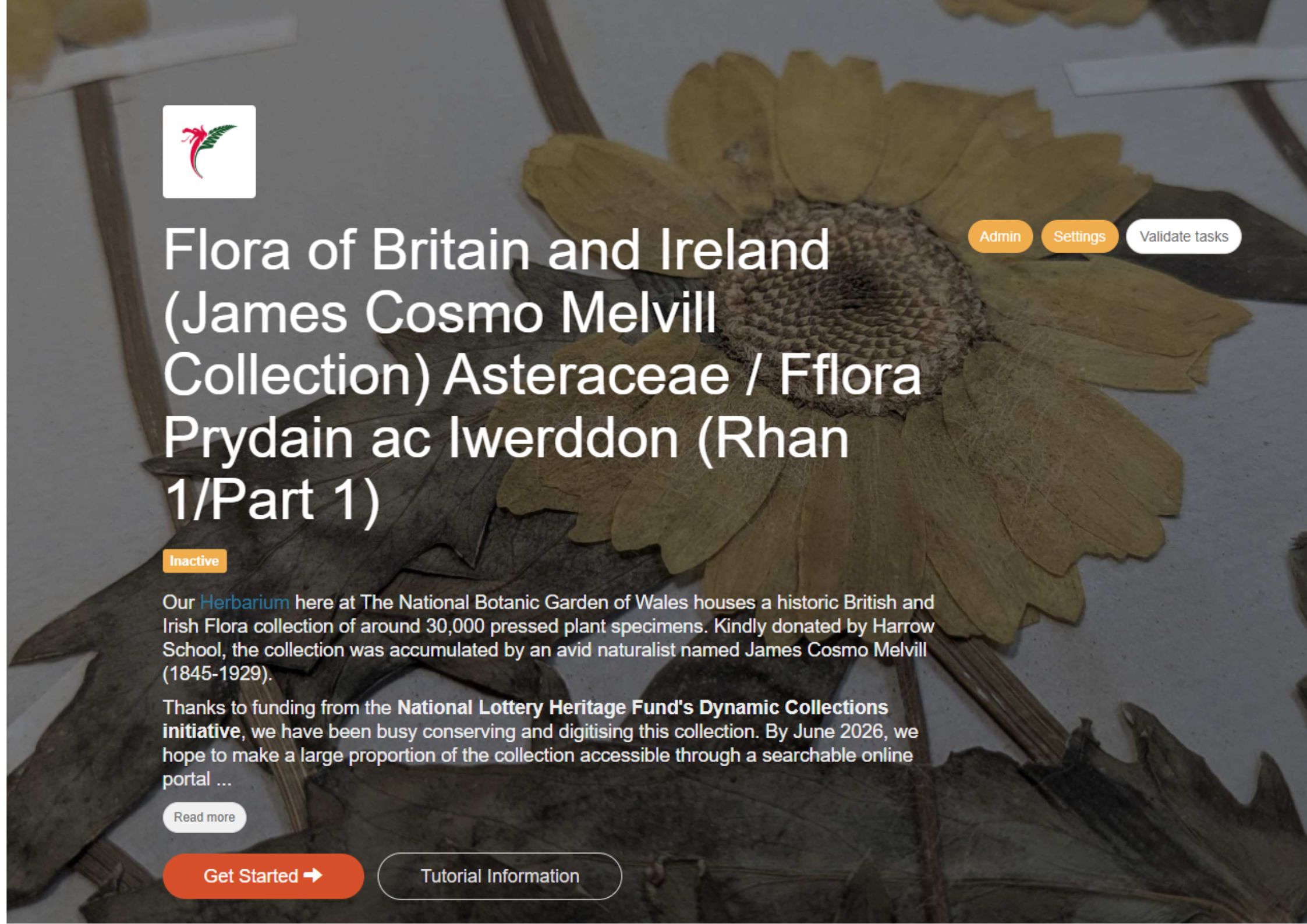
This is where you come in. We have joined DigiVol, a museum collections digitisation platform, hosted by the Atlas of Living Australia and powered by volunteers. Here we upload a batch of our specimens and have people from all over the world help us decipher the Victorian handwritten labels. You don’t need to have any botanical experience, just a passion and drive to learn and contribute to helping us get closer to our target of making this wonderful collection accessible to all.

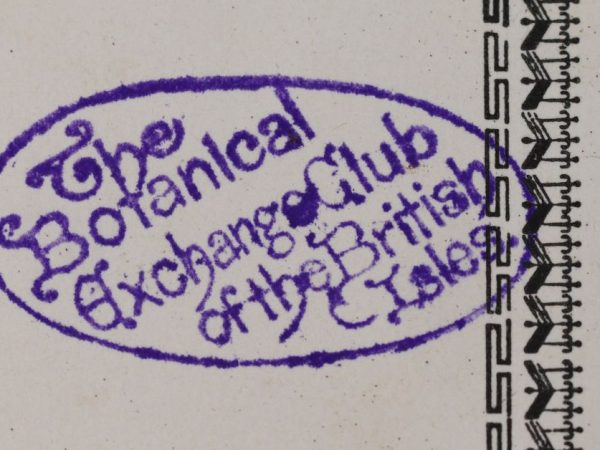
Transcribing herbarium specimens can be interesting, challenging, and quite addictive. You can almost think of yourself as a bit of a detective. The Botanical Exchange Club, which you can read more about in this blog, has meant that we have an array of collectors within this collection. We have managed to find over 200 collectors so far, from all across the UK. It can be a fascinating insight into the botanical collecting world of the 19th century.
By digitising the collections here in the herbarium, we are helping to understand these plant populations and to preserve our botanical heritage. The information will be available for both the public and researchers alike.
“My experience with DigiVol has been so fascinating that I have transcribed over 20,000 herbarium specimens held in our national botanic gardens at Kew, Edinburgh and Wales. The DigiVol online tutorial provides all the instruction you need to get started with no previous knowledge of botany.
A great convenience of DigiVol is that you can log in at any time of day or night and transcribe however many specimens you wish. A thirty-minute session enables me to recognise patterns in collection data and speeds up my transcriptions.
I spent my whole career working in science and, now in my seventies, DigiVol enables me to carry on contributing to scientific knowledge. The James Cosmo Melvill Herbarium is especially interesting as he collected a wide range of wild flowering plants from all over the UK in the late 19th and early 20th centuries, including some from the depths of his own garden in Shrewsbury. Exploring a plant collection provides insight into the life and times of plant collectors. Melvill involved family members in his collecting expeditions, so his extensive family tree helps to identify who is named on his labels.”
Quote provided by DigiVol volunteer
There are two very simple steps to get your DigiVol journey started. The first step is to create your account, which you can do here:
You can then find our expedition here:
Remember to read the tutorial provided before you start so you can begin without any confusion!
If there are any issues, or you would like more information, please get in touch with our Science Engagement Officer, El James:
Elinor.james@gardenofwales.org.uk
Thank you for being a part of our digitisation journey. We hope you enjoy transcribing these wonderful specimens just as much as we do!
The Plants Past, Present and Future project is digitising our herbarium and is funded by the National Lottery Heritage Fund Dynamic Collections initiative, made possible thanks to National Lottery players.