My name is Anysia and I’m an undergraduate archaeology student from the University of Bradford. Over the past year, I’ve been working at the Garden as the Science Placement Student. I was based at the Science Centre, but also had the opportunity to get involved with various areas across the Garden.
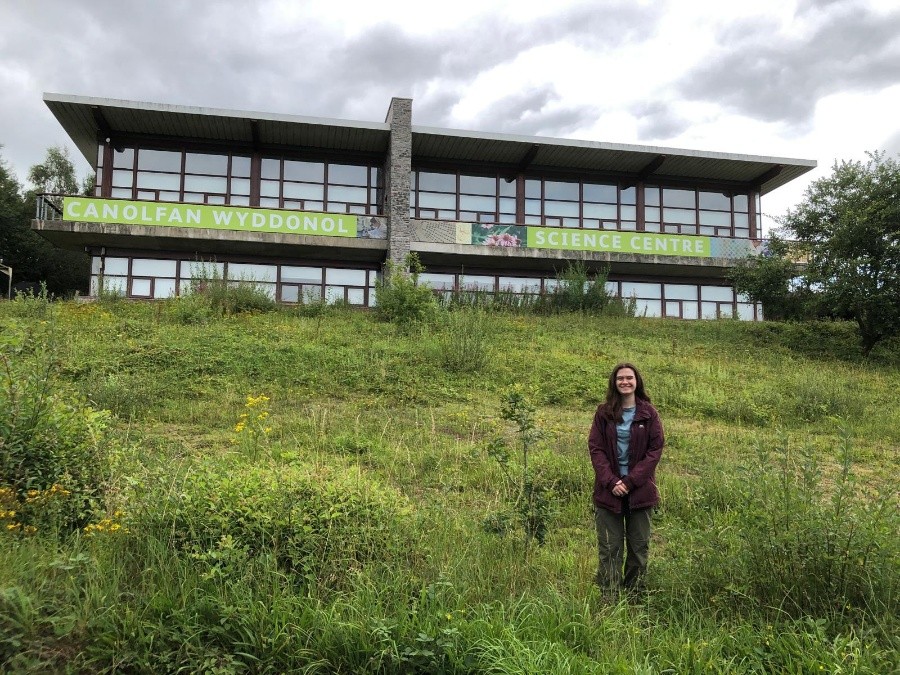
I spent the majority of my placement working in the herbarium and in the lab. I spent most of my time working on the National Lottery Heritage Funded Plants Past, Present, and Future project with the Science Team and some dedicated volunteers. This project aims to digitise the Garden’s historic herbarium collection, kindly donated to the Garden by Harrow School, originally belonging to Victorian naturalist James Cosmo Melvill. I’ve been involved in every part of the digitisation process, including curation, photography, and transcription. Part of my role in the herbarium has been to transcribe the letters. Melvill was part of the Botanical Exchange Club of the British Isles, a network of passionate botanical collectors from around the UK that would trade specimens from their herbarium collections. Melvill kept many letters from other members of the Club with the specimens that were sent to him. It has been fascinating to read about the lives and expeditions of these collectors.
The Herbarium


As part of my role in the herbarium, I’ve been working on a year-long project writing an interpretation piece for the Apothecary’s Hall, which you’ll hopefully see in the coming months. The interpretation tells the story of how herbal medicine developed in Wales and how it links the creation of herbaria and botanic gardens, concluding with information on some of the current research happening in the Science Centre.
Working in the herbarium has been one of the highlights for me. It has inspired me to seek similar work when I get back to Bradford. I’ll be volunteering with Bradford Museums’ herbarium collection and hopefully doing a dissertation on herbaria. The placement has set me up with all the skills I need to hopefully pursue a career in this sector in the future! The passion of the Science Team has made my time a really enjoyable and valuable experience for the working world.
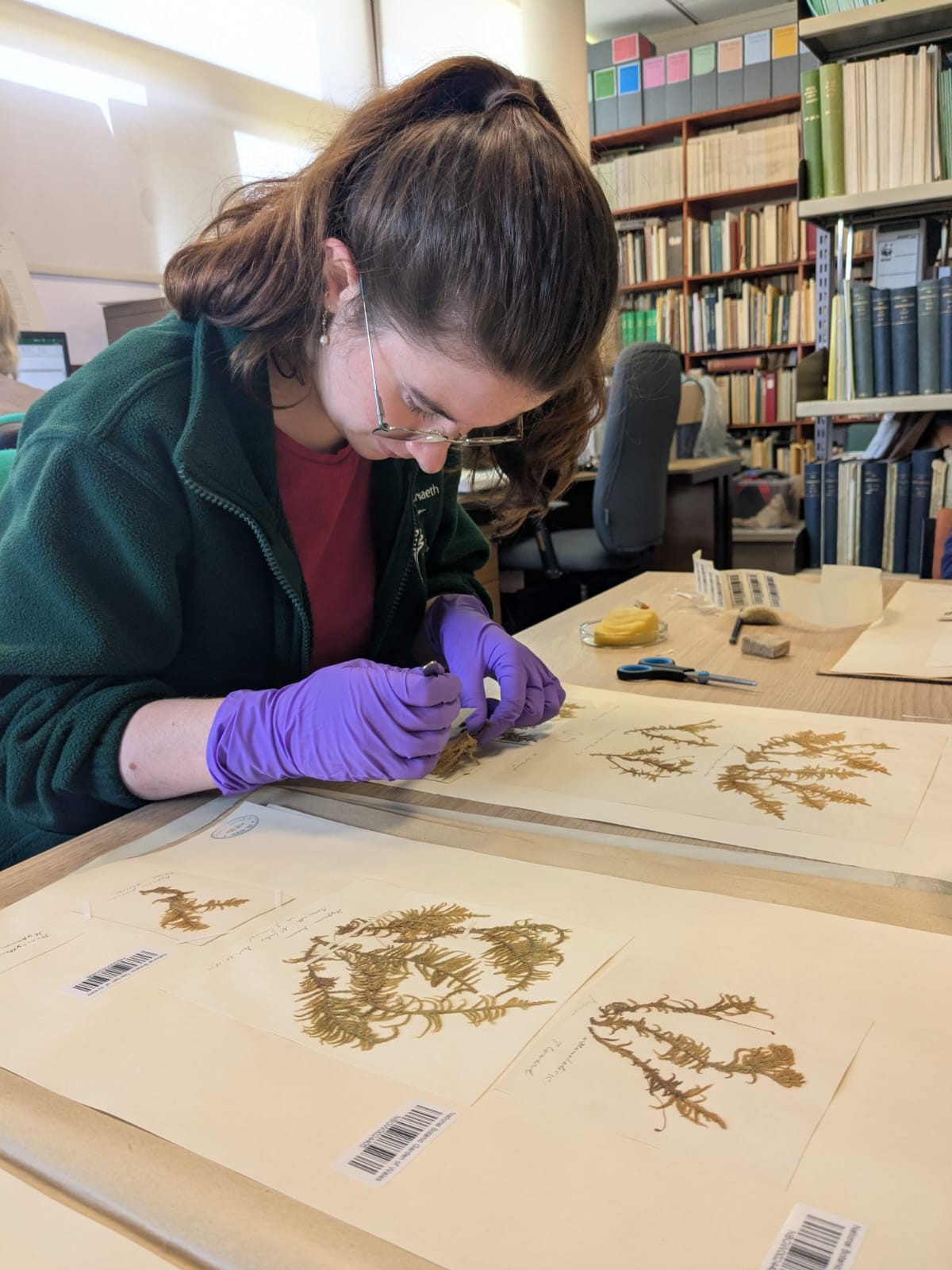

If you would like to have a go at transcribing some of these historical specimens in the Garden, from the comfort of your own home, then you can sign up to volunteer on DigiVol and help the Garden digitise its collection!
BIOSCAN
As well as my project, one of the main tasks on placement has been working in the lab on the BIOSCAN project. BIOSCAN is a project run by the Wellcome-Sanger Institute, which aims to improve our understanding of flying insect populations and declines using DNA metabarcoding.
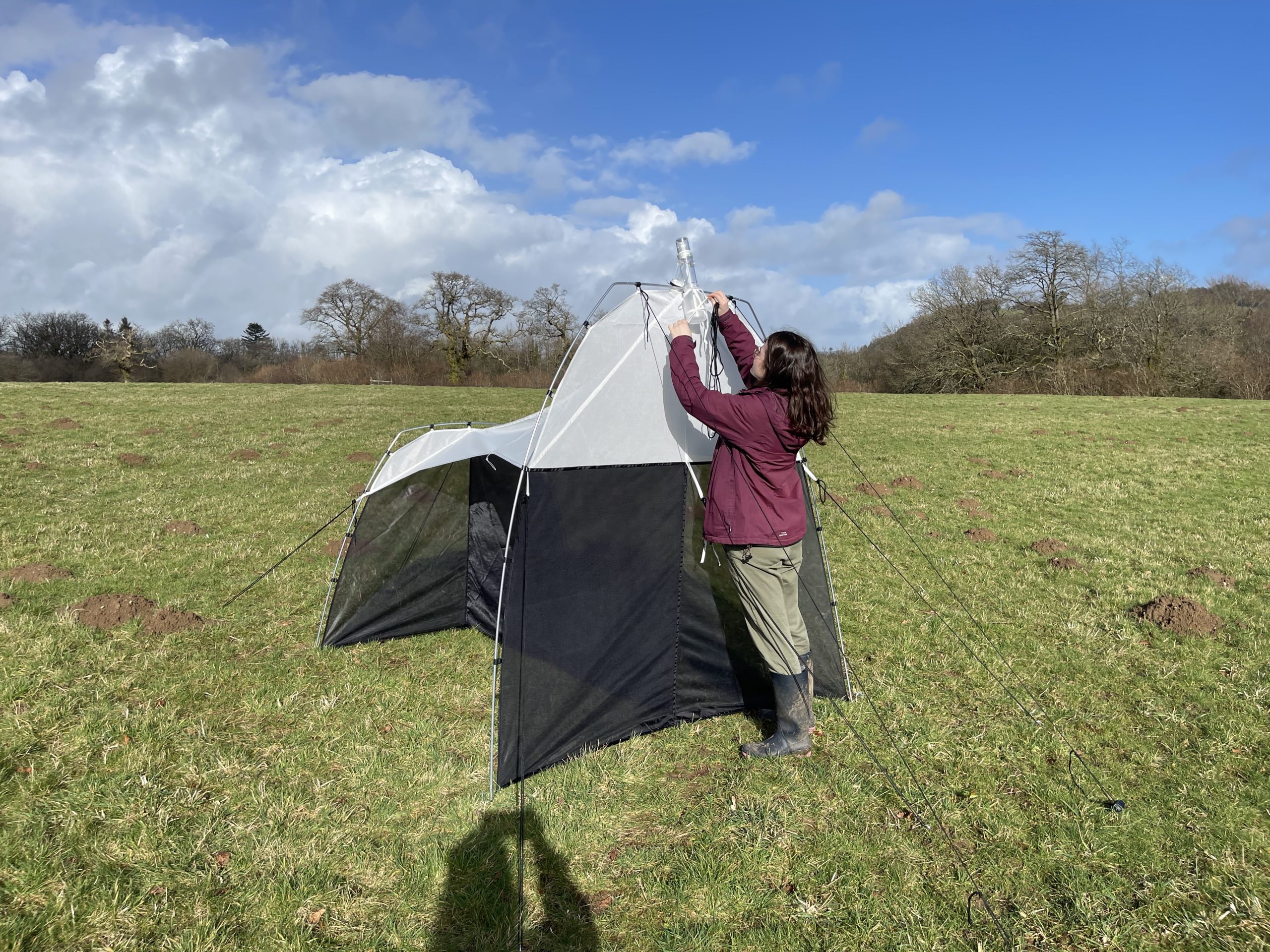
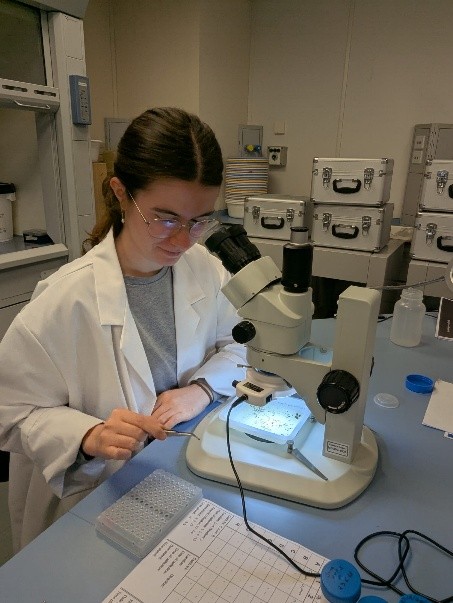
Each month, I set up two Malaise traps, one in the Double Walled Garden and the other in Cae Trawscoed. After leaving them for 24 hours, I then collected the insects caught in the traps’ catch bottles and took them to the lab. I then place each insect into a well plate and do my best to identify each insect to order level. The plates are then sent to the Wellcome Sanger Institute for the next part of the process. DNA is collected from each insect which is used to identify the species, using DNA metabarcoding. This provides valuable data on species diversity and distribution, and how these are changing.
Seed Collecting
The Science Team go on seed collecting trips to collect for the Garden’s National Seed Bank of Wales in partnership with the Millennium Seed Bank. The goal is to conserve Wales’s flora for the future. My first trip was to the Gower to look for Juniper (Juniperus communis).


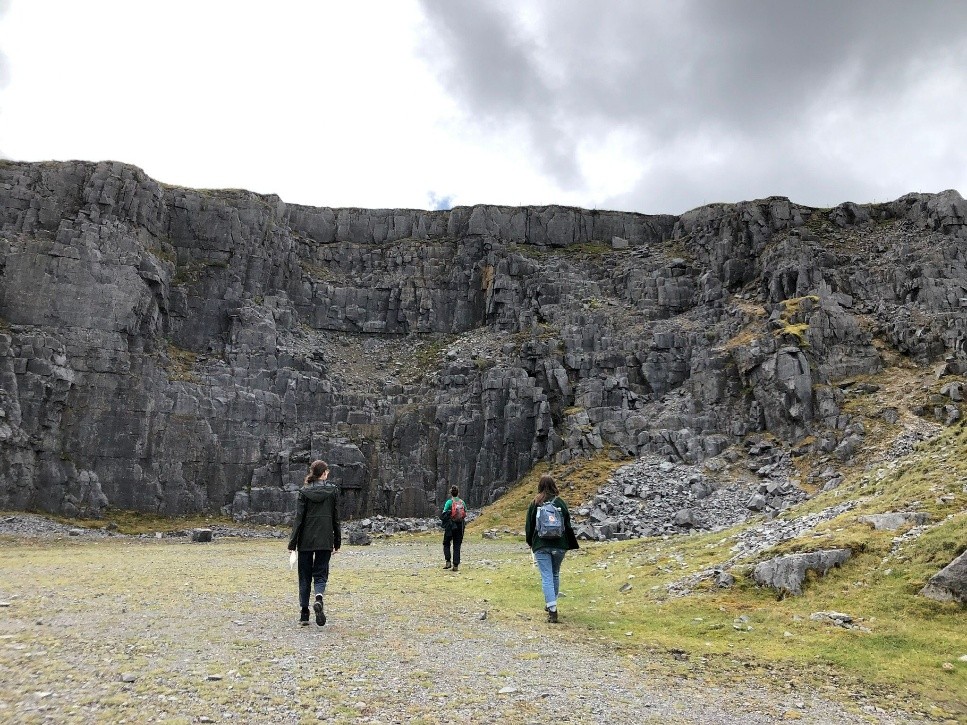
My last seed-collecting trip was to the Black Mountain to collect Mossy Saxifrage (Saxifraga hypnoides) and Bilberry (Vaccinium myrtillus). These trips are essential for safeguarding flora for the future. The seeds that are collected are taken back to the labs in the Science Centre to be cleaned, cut tested and stored in freezers.

Moth Trapping
As a placement student, one of my jobs was to set up the moth trap every two weeks. We used a Robinson moth trap with a mercury vapour bulb, which I set up outside the Science Centre. The next morning, I would then sit with a lovely group of Conservation Volunteers, helping them to work through the trap, identifying and recording each species of moth before letting them go back outside. I had never done any moth trapping before, so this was a very exciting new experience for me and a chance for me to overcome my fear of moths.


BioBlitz 2025
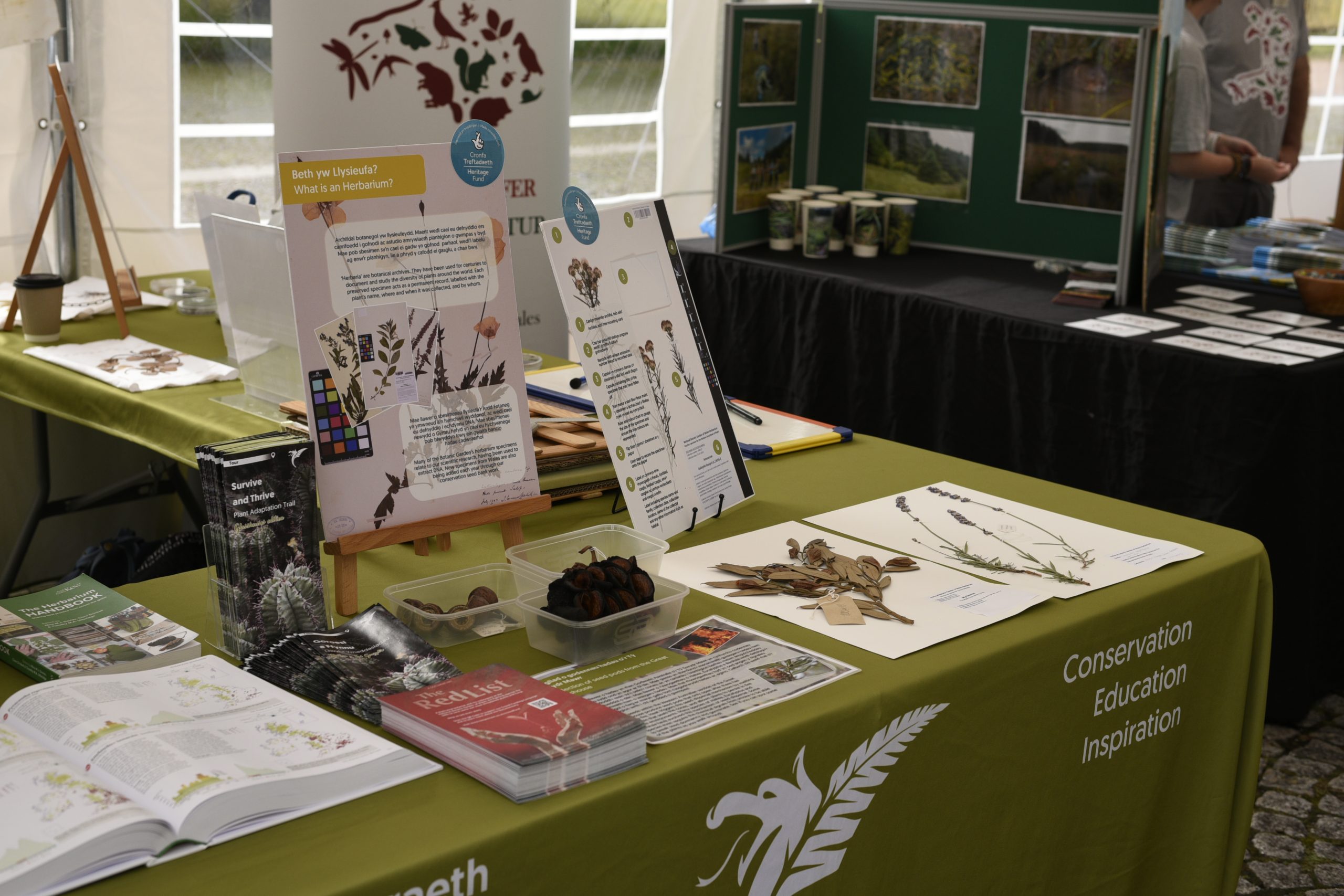
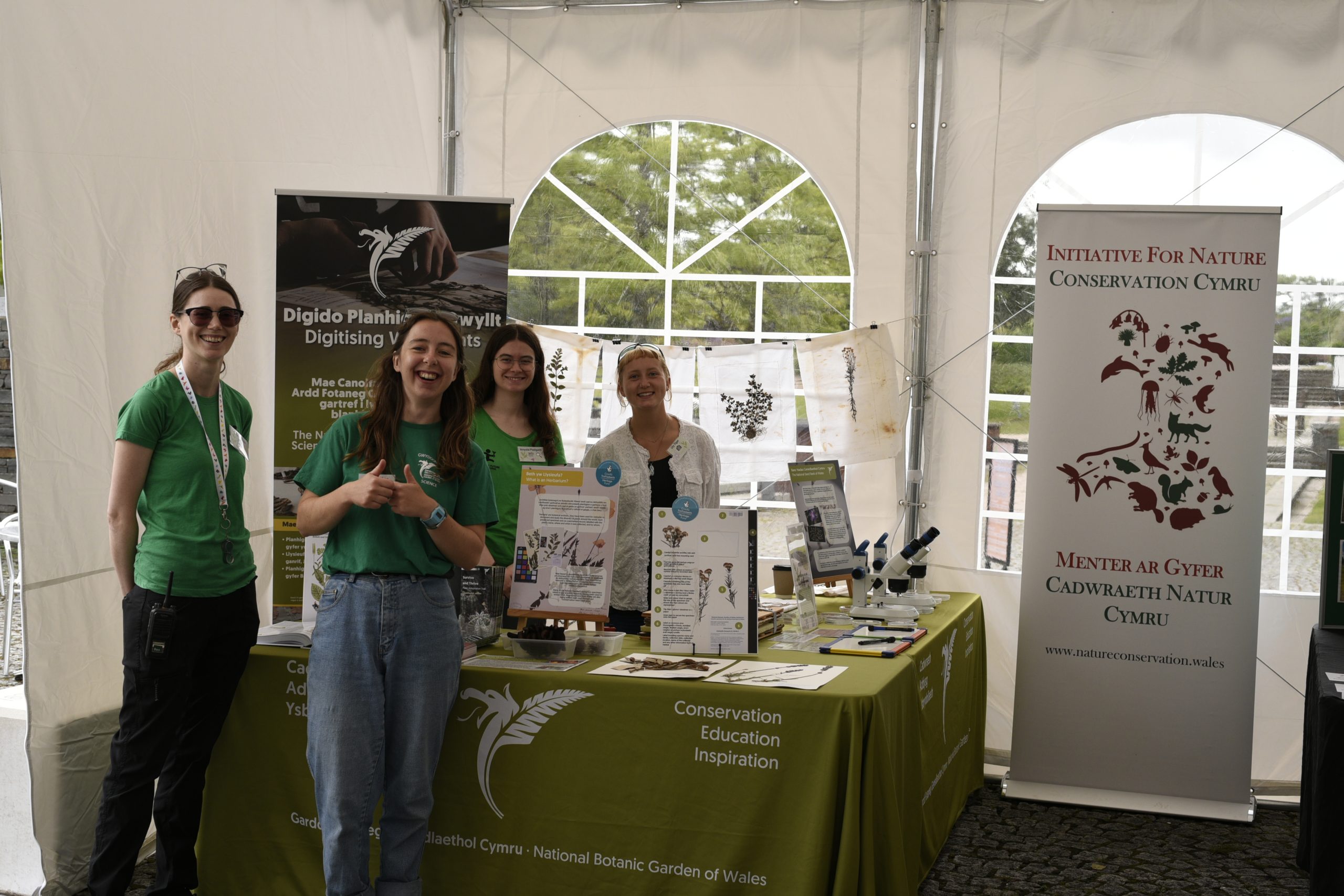
The first planning meeting for the first-ever BioBlitz Festival at the Garden happened all the way back on my second day of placement. The Science Team worked hard all year to organise a fantastic biological recording event, so it was amazing to see the result of their hard work over the BioBlitz weekend in July. I had a great time working on the herbarium engagement stand, taking part in the workshops and the bat roost count over the weekend.


Highlights
I had the chance to go on a few trips with the Science Team this year, one of which was to Wakehurst Kew to see the Millennium Seed Bank. After assisting Ellyn in the National Seed Bank of Wales here at the Garden , it was really interesting to see how a global seed bank works.

Possibly the most unexpected part of my placement year was attending the Buckingham Palace Garden Party in May. I was lucky enough to be chosen as one of the members of staff and volunteers to represent the Garden for the event.


Learning Welsh
Every Monday, the Garden runs a tea morning called Paned a Sgwrs. This was an informal and fun opportunity to learn some Welsh while I was working at the Garden! The group is open to everyone!
Heritage
I wouldn’t be a very good archaeology student if I didn’t mention some history! It’s been really interesting to learn about the heritage of the Garden from working with the Archive volunteers and going on the Heritage Landscape Tour, which is led by volunteers once a month. I also got the chance to visit some local sites that link to the Garden and the interpretation project, such as Paxton’s Tower and Castell Dryslwyn.
Beekeeping & BTO Nest Recording Scheme
I joined the beekeeping volunteers on Thursdays to learn what it takes to be a beekeeper and how to look after honeybees. Working with the Garden’s Beekeeper, Martin, I also learnt how to extract honey and make candles from beeswax!
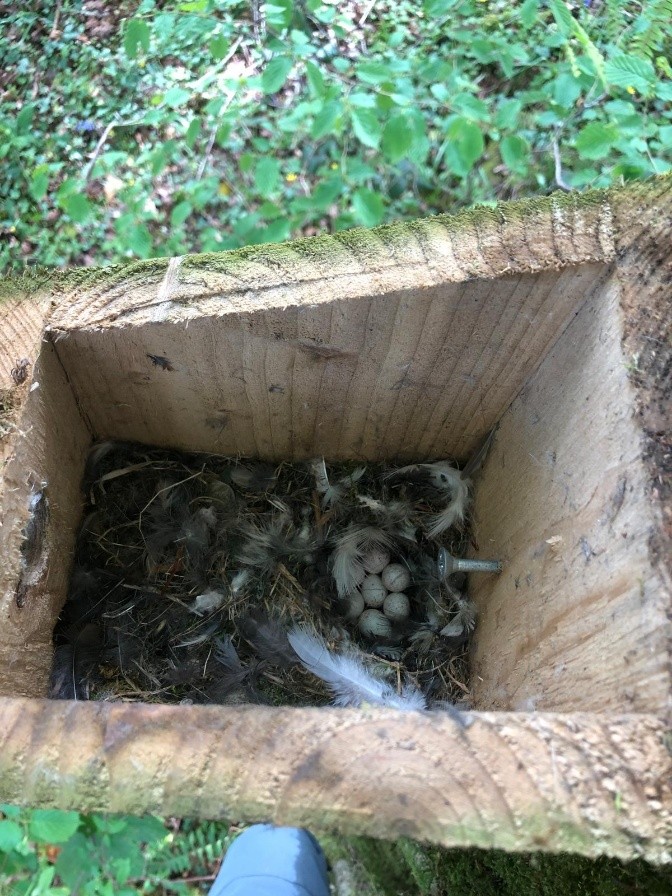
In the spring, I helped Ellyn and the Conservation Volunteers record the nest boxes around the Garden. I monitored three Blue Tit (Cyanistes caeruleus) nest boxes, a few times each week over a couple of months and then went with Ellyn to ring them once the chicks had hatched and were old enough (all birds were handled and ringed under license). Ringing birds creates important records which can then be used to monitor their population and declines.


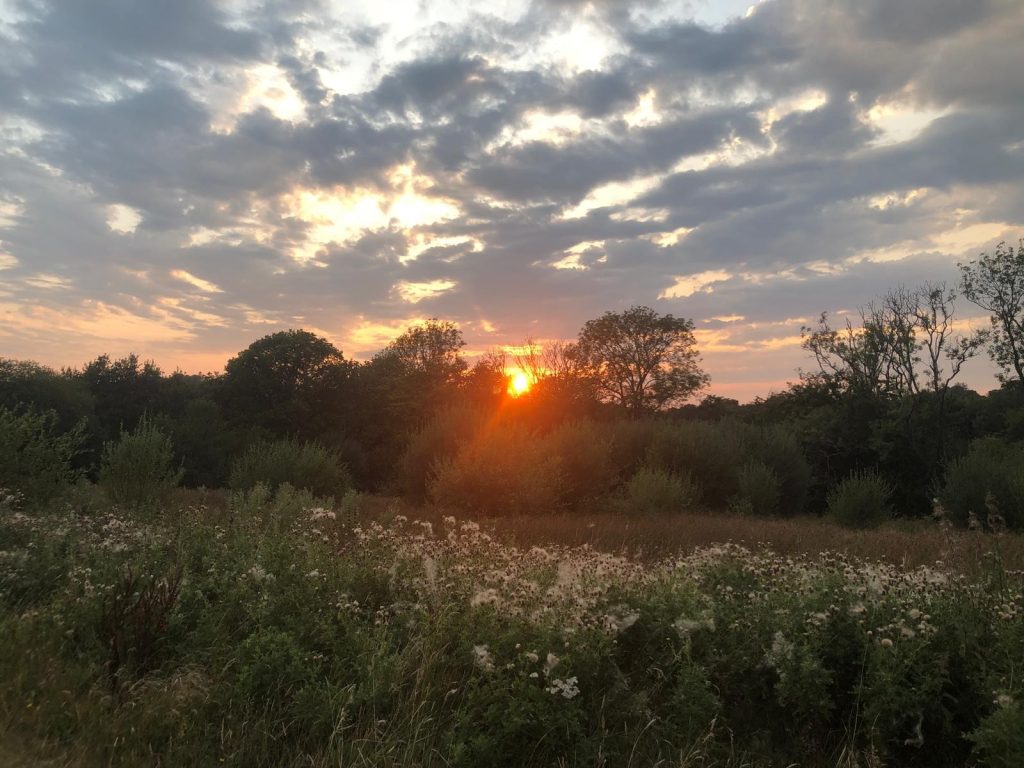
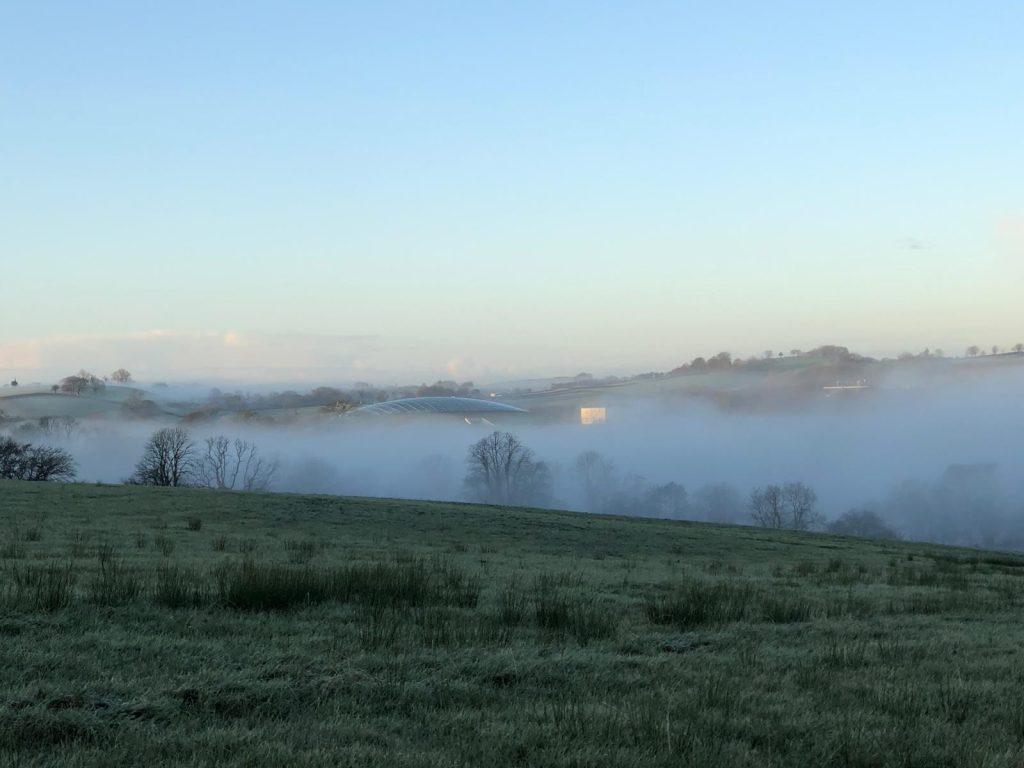
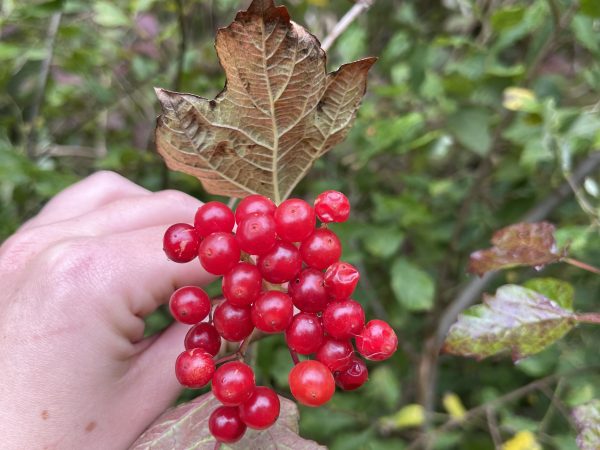
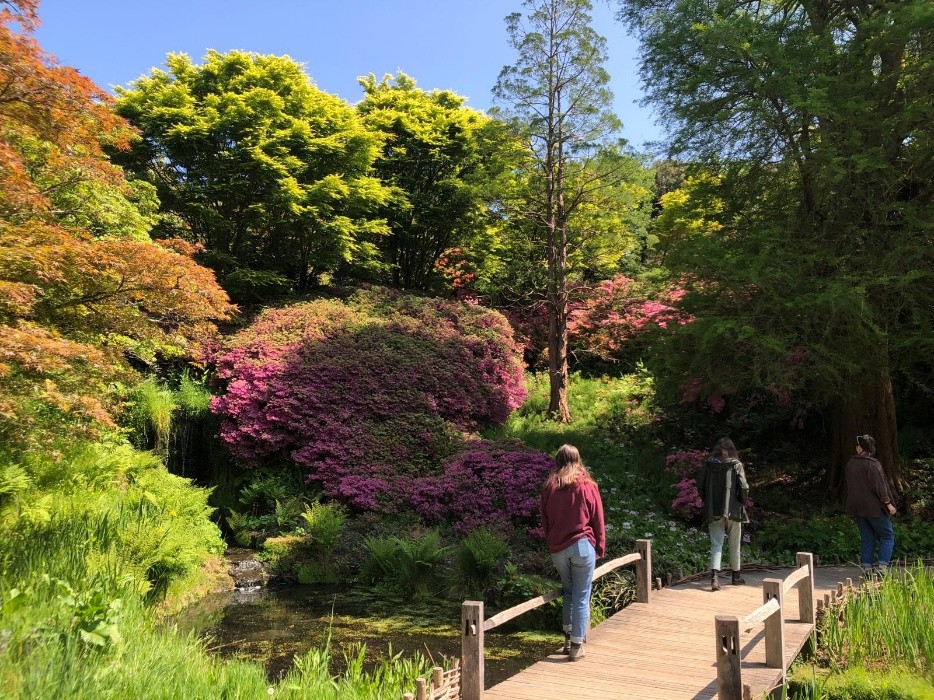
I’ve been living on site, which means I’ve had some lovely walks to work and had the opportunity to see the Garden change through the seasons. Here’s a selection of some of my favourite photos from the walks


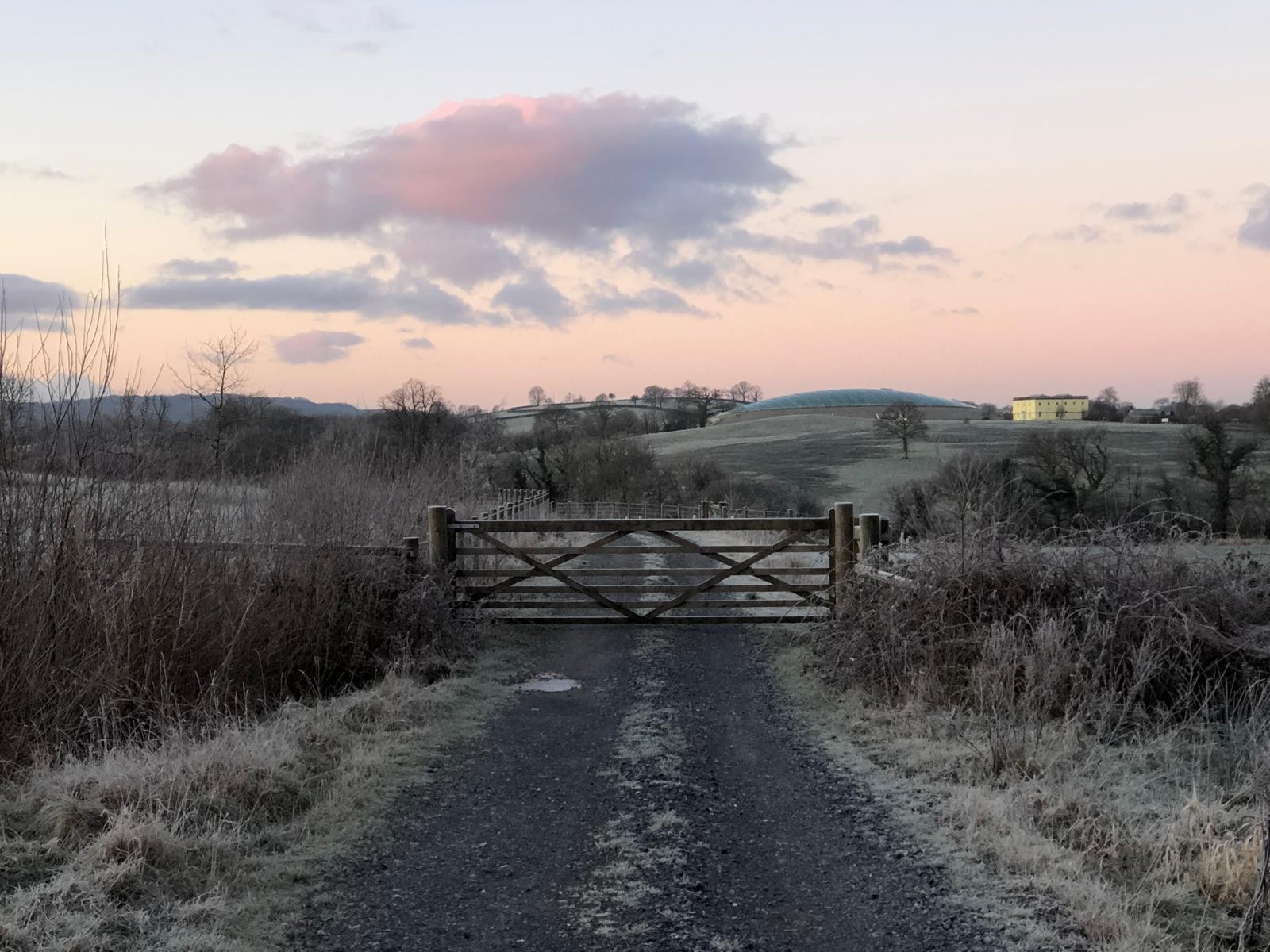
I’ve had an amazing year with the lovely staff and volunteers, and I hope to be back soon!
I’d like to say a huge thank you to the Garden, especially to the Science Team (Laura, El, Ellyn, and Kevin) and Education team, for the placement opportunity and for all their support this year!