Concluding a three-year chapter in the Herbarium.
The Herbarium here at the Garden has been a hive of activity over the last three years, thanks to funding from the National Lottery Heritage Fund’s Dynamic Collections Initiative. The Plants Past, Present and Future project’s main aim was to digitise a large proportion of the Botanic Garden’s pressed plant collection, producing high-quality photos of each specimen, capturing label information, and making them all available online.

However, this project has been so much more than that!
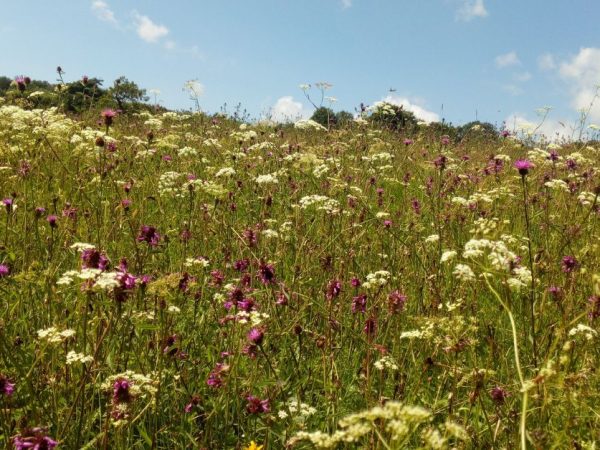
The Herbarium has proven to be a fantastic resource for everyone — from researchers to artists, families, students, and people who had never even heard of a herbarium before. Over the last three years, we’ve welcomed community groups into a world usually hidden from public view, giving them the chance to handle specimens, curate collections, and discover the stories pressed between the sheets. Our family-friendly events have inspired children and adults alike to explore the plants in their gardens, hedgerows, and local green spaces — and we’ve pressed a lot of plants along the way. We’ve run tours for university groups and visitors, created new educational resources with our brilliant Education team, and even hosted an Artist in Residence, Lily Tiger, whose work connected beautifully with the wildflower hay meadows on our Waun Las National Nature Reserve. You can read more about Lily’s time at the garden in this blog.


Behind the scenes, staff, students and dedicated volunteers have been working tirelessly to digitise the historic British and Irish flora collection accumulated by James Cosmo Melvill (1845–1929), and donated to us by Harrow School in 2011. Volunteers have been involved in every step: repairing specimens and securing labels, barcoding, photography, and the most time‑consuming stage of all, transcribing label information. After two and a half years, they have contributed more than 5,000 hours and achieved:
- 26,000 specimens conserved and barcoded
- 17,500 specimens imaged
- c.10,000 specimens transcribed
- Over 300 collectors researched
“The chance to contribute in a small way to this exciting project has also been so valuable on a personal level. New skills, increased knowledge and interesting colleagues. Thank you for the opportunity“.
“A highly rewarding experience: challenging and satisfying and a pleasure to work with a great group of people“.
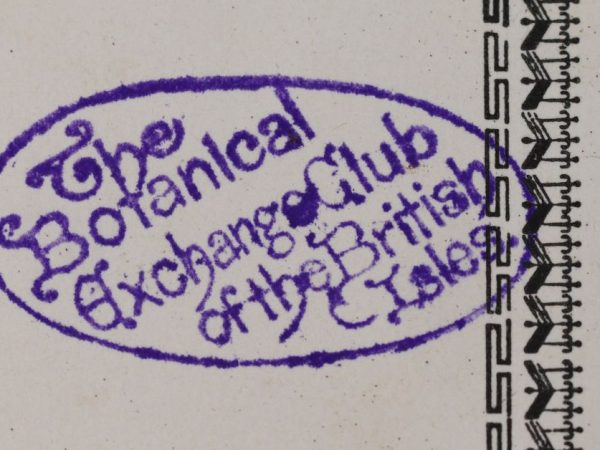
“Although the herbarium collection belonged to James Cosmo Melvill, it actually contains herbarium specimens collected by him, and also other plant collectors, either by buying these collections, or acquiring them through various Botanical Exchange Clubs (similar to seed or plant exchange clubs today). I have really enjoyed looking at the lives of these collectors, to date totalling more than 350, and have learnt so much about how these plants were conserved, and how the SSSi’s and special areas we have today owe so much to these collectors”.
“I have really enjoyed my time with the Herbarium project. Learning new skills as well as about the plants, places and people involved in the collections. Thank you for giving me the opportunity to take part“.
“I really enjoyed working on the project with the staff and volunteers. It was one of the highlights of my placement year, providing me with invaluable skills and experience for my future career”.
Quotes provided by herbarium volunteers
We are incredibly grateful to our volunteer team, who have become true ambassadors for the Herbarium — committed, enthusiastic, and wonderful company. A huge thank you to every one of you.
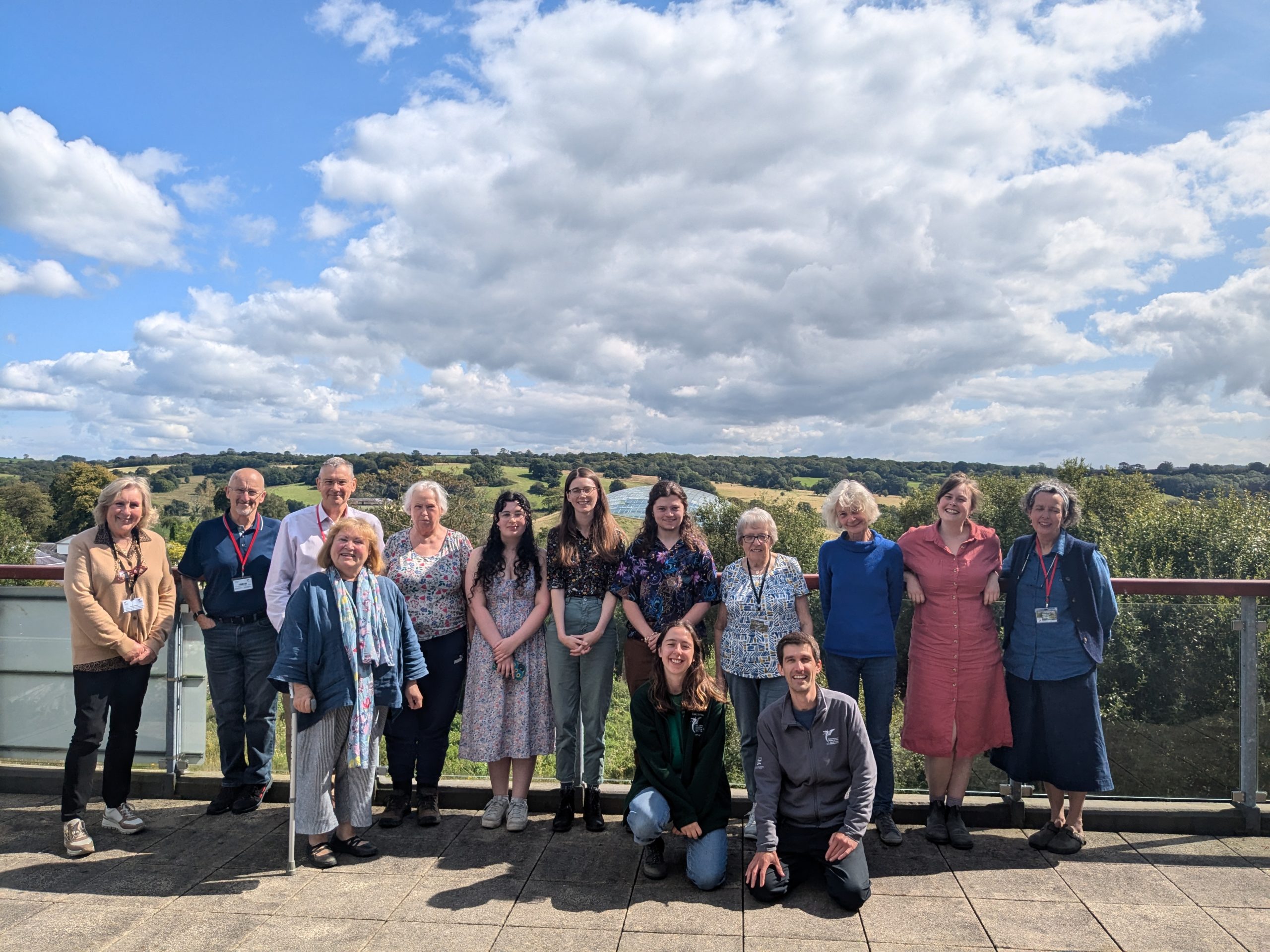
To help with the mountain of transcription, we also joined DigiVol, a digitisation platform hosted by the Atlas of Living Australia. Since launching our profile in March 2024, 105 volunteers from around the world have transcribed more than 3,000 specimens. We’ve made some brilliant connections through the platform too. Another big thank you to everyone who contributed.
If you’d like to get involved, you don’t need to be a botanist. You can learn more about DigiVol and how to sign up in this blog.
We’re taking a short summer break, but both Royal Botanic Garden’s Kew and Royal Botanic Garden Edinburgh have collections available on DigiVol if you’d like to keep transcribing.
Of course, the workflow doesn’t end with transcription. Once the data is captured, the Science Team carries out data quality checks using Kew’s Plants of the World Online, updating plant names and making final adjustments before the specimens go live.
🎉One of our major project targets was to have 5,000 specimens fully available online. And guess what — we’ve done it. 5,109 specimens are now live on our new Herbarium Explorer page for you to browse at your leisure 🎉
Bringing this project to a close feels like a real milestone for the Garden. Thanks to the dedication of staff, volunteers, community groups and supporters near and far, the Herbarium is now more accessible, more connected and more alive than ever. There’s still plenty of work ahead to get the rest of the collection online, and reaching this point now gives us huge momentum. We’re excited for the next chapter and look forward to sharing the journey with you as the collection continues to grow.
The Plants Past, Present and Future project is digitising our herbarium and is funded by the National Lottery Heritage Fund Dynamic Collections initiative, made possible thanks to National Lottery players.